Posts

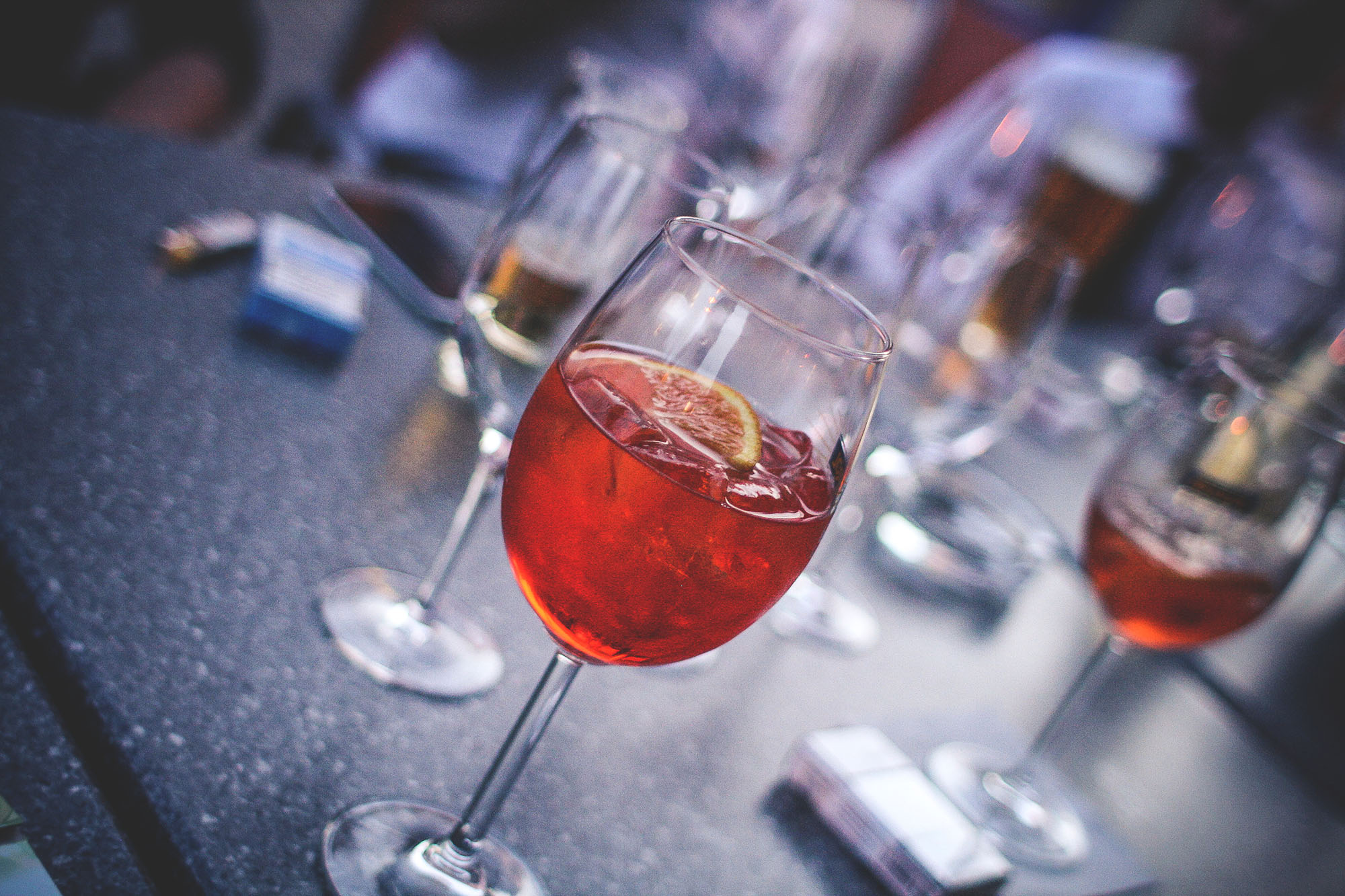
The Two Faces of Prosecco

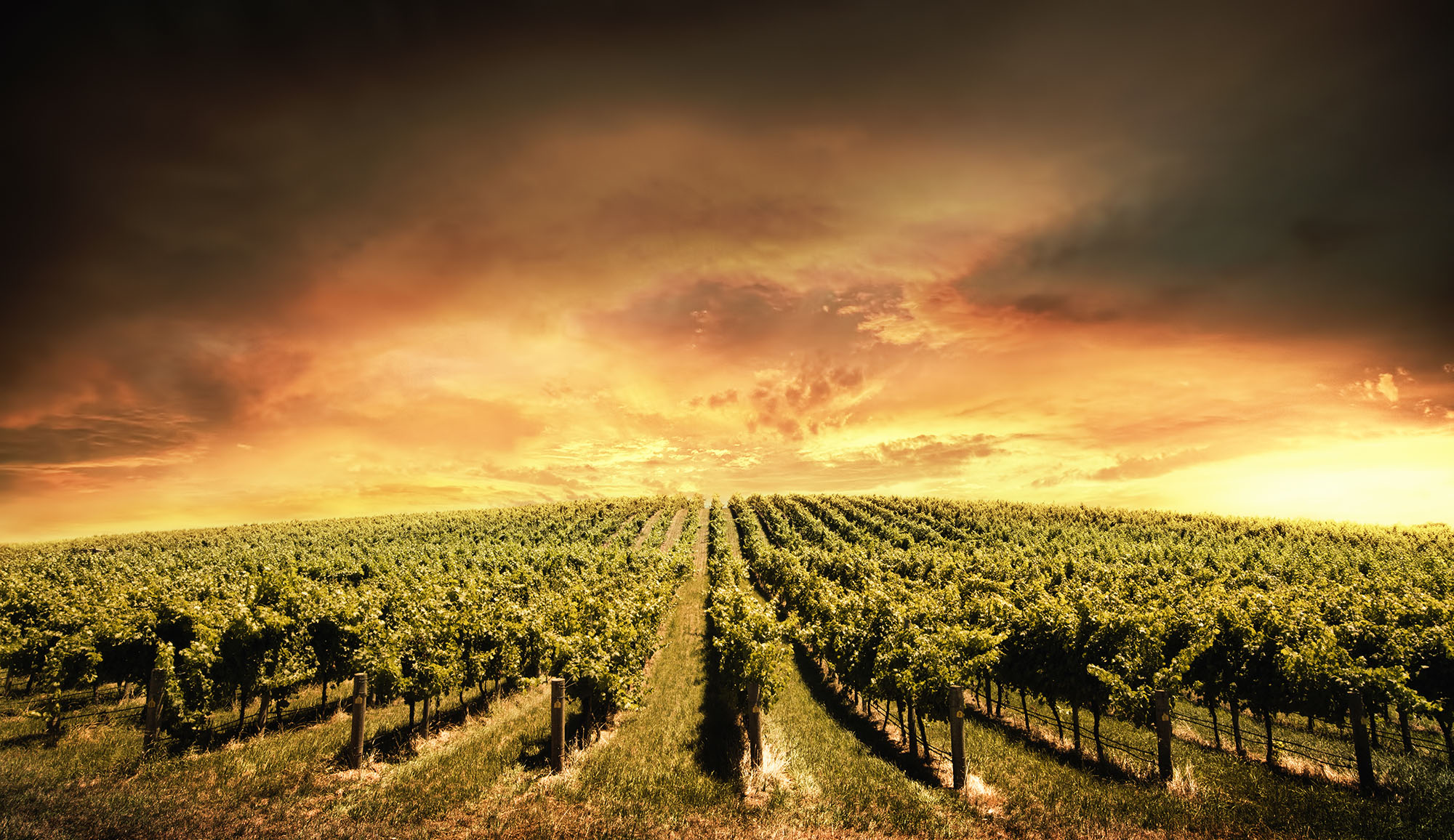
Prosecco is an Italian sparkling white wine, generally a dry or extra dry wine. It is made from Glera grapes, formerly known also as “Prosecco”, but other grape varieties such as Bianchetta Trevigiana may be included. The name is derived from that of the Italian village of Prosecco near Trieste, where the grape may have originated. DOC Prosecco is produced in the regions of Veneto and Friuli Venezia Giulia, traditionally mainly around Conegliano and Valdobbiadene, in the hills north of Treviso. Prosecco is the main ingredient of the Bellini cocktail and can be a less expensive substitute for Champagne.

Unlike Champagne, its main commercial competitor, Prosecco usually is produced using the Charmat method, in which the secondary fermentation takes place in stainless steel tanks, making the wine less expensive to produce. The rules for the DOCG Prosecco Valdobbiadene also allow the use of the Metodo Classico: secondary fermentation in the bottle.

Approximately 150 million bottles of Italian Prosecco are produced annually. As of 2008, 60 percent of all Prosecco is made in the Conegliano and Valdobbiadene area. Production there amounted to €370 million in 2007. Since the 2000s, Glera (Prosecco) grapes also are cultivated and wine from the grapes is produced in other countries including Brazil, Romania, Argentina, and Australia.

In the region of Conegliano and Valdobbiadene there are more than 150 producers and they form together the Consortium for the Protection of Prosecco from Conegliano and Valdobbiadene (Consorzio per la Tutela del Prosecco di Conegliano e Valdobbiadene). Prosecco is produced mainly as a sparkling wine in either the fully sparkling (spumante) or lightly sparkling (frizzante, gentile) varieties. Prosecco spumante, which has undergone a full secondary fermentation, is the more expensive variant. The sparkling variants may contain some Pinot bianco or Pinot grigio wine. Depending on their sweetness, in accordance with the EU Sweetness of wine Regulations for Terms used to indicate sweetness of sparkling wine, Proseccos are labelled “Brut” (up to 12 grams per litre of residual sugar), “Extra Dry” (12–17 g/l) or “Dry” (17–32 g/l).

A still wine (calmo or tranquillo) also is made from Glera grapes – it amounts to only about five percent of production, but this wine is rarely exported. Wines from the traditional Conegliano–Valdobbiadene production area are labeled as “Prosecco di Conegliano-Valdobbiadene”, “Prosecco di Conegliano”, “Prosecco di Valdobbiadene”, or “Prosecco DOC” from Friuli. Proseccos labeled with another, non-protected designation, such as “IGT-Veneto”, are generally cheaper and of a more varied quality.

The hill of Cartizze is a 1,000-foot-high vineyard of 107 hectares (260 acres) of vines, owned by 140 growers. The Prosecco from its grapes, of which comparatively little is produced, is widely considered to be of the highest quality, or even the “Grand Cru” of Prosecco. Accordingly, a hectare of Cartizze grape land is estimated to be worth in excess of one million US dollars. According to a local legend, Cartizze grapes traditionally were harvested last, as the vines were situated on steep slopes and hard to reach, which made vintners discover that this extended ripening period improved the flavour. Nonetheless, in a blind tasting at the 2006 Vinitaly trade fair, Cartizze spumanti were ranked consistently behind “normal” Prosecco.

Alternative Wine Closure

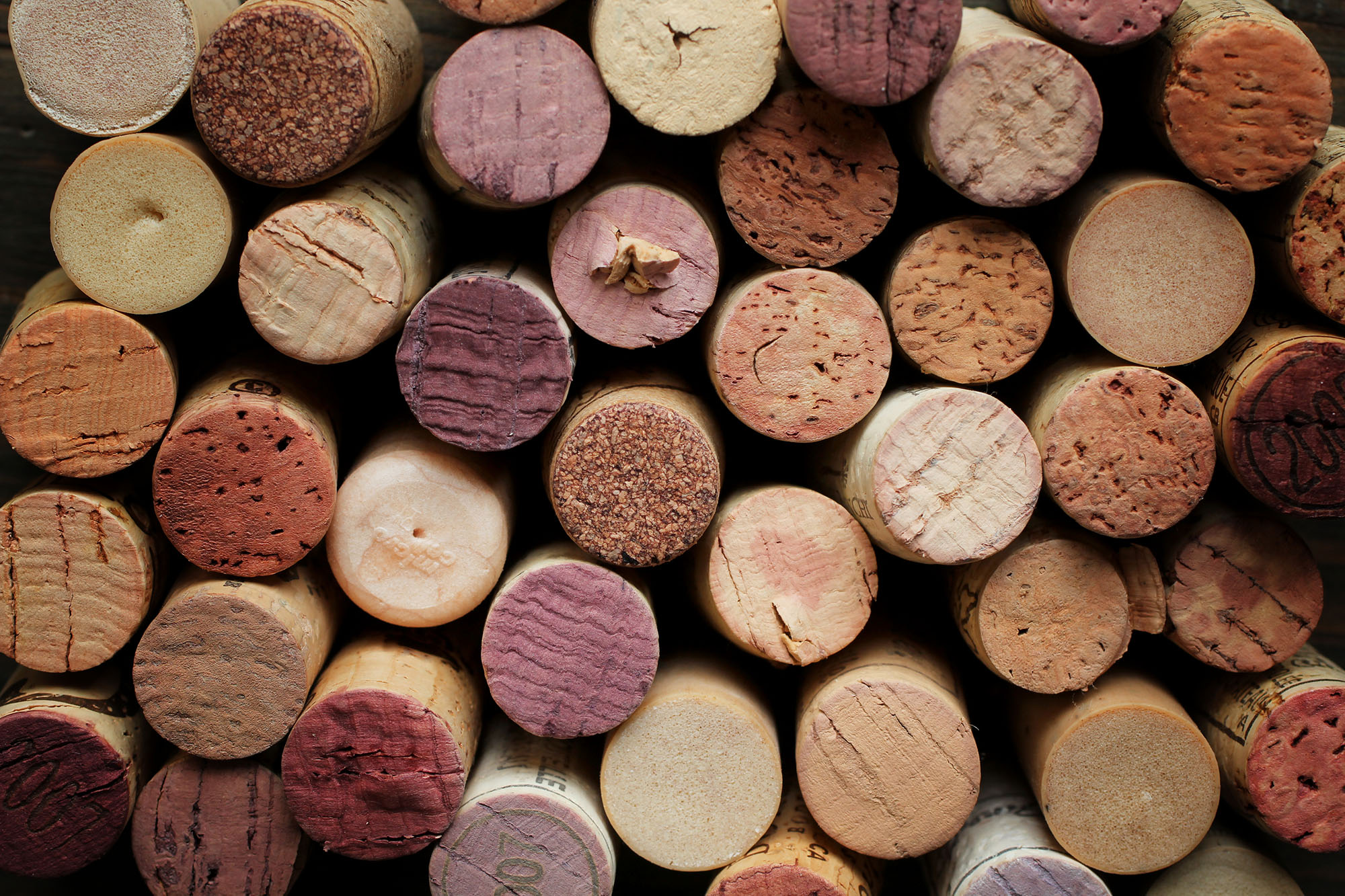
Alternative wine closures are substitute closures used in the wine industry for sealing wine bottles in place of traditional cork closures. The emergence of these alternatives has grown in response to quality control efforts by winemakers to protect against “cork taint” caused by the presence of the chemical trichloroanisole (TCA). The closures debate, chiefly between supporters of screw caps and natural corks, has increased the awareness of post-bottling wine chemistry, and the concept of winemaking has grown to continue after the bottling process, because closures with different oxygen transmission rates may lead to wines that taste different when they reach consumers.

Synthetic corks are made from plastic compounds designed to look and “pop” like natural cork, but without the risk of TCA contamination. Disadvantages of some wine synthetic corks include a risk of harmful air entering a bottle after only 18 months, as well as the difficulty in extracting them from the bottle and using the plastic cork to reseal the wine. James Laube of Wine Spectator notes that some can also impart a slight chemical flavour to the wine.

Vino-Seal is a plastic/glass closure released by Alcoa. Since its introduction into the European market in 2003, over 300 wineries have utilized Vino-Seal. Using a glass stopper with an inert o-ring, the Vino-Seal creates a hermetic seal that prevents oxidation and TCA contamination. A disadvantage with the Vino-Seal is the relatively high cost of each plug (70 cents each) and cost of manual bottling due to the lack of compatible bottling equipment outside of Europe. Vinolok is a glass stopper developed and produced by a Czech crystal glass producer Preciosa.

Zork is an alternative wine closure for still wines, that seals like a screw cap and pops like a cork, created by an Australian company of the same name. The closure has three parts: an outer cap providing a tamper-evident clamp that locks onto the band of a standard cork mouth bottle; an inner metal foil which provides an oxygen barrier similar to a screw cap, and an inner plunger which creates the ‘pop’ on extraction and reseals after use. Introduced in 2010, it is the first on-bottle, resealable closure for sparkling wines

New World Wines in Industrial Age

Vine cuttings from the Cape of Good Hope were brought to the penal colony of New South Wales by Governor Phillip on the First Fleet (1788). An attempt at wine making from these first vines failed, but with perseverance, other settlers managed to successfully cultivate vines for winemaking, and Australian made wine was available for sale domestically by the 1820s. In 1822 Gregory Blaxland became the first person to export Australian wine, and was the first winemaker to win an overseas award. In 1830 vineyards were established in the Hunter Valley. In 1833 James Busby returned from France and Spain with a serious selection of grape varieties including most classic French grapes and a good selection of grapes for fortified wine production. Early Australian winemakers faced many difficulties, particularly due to the unfamiliar Australian climate. However they eventually achieved considerable success. “At the 1873 Vienna Exhibition the French judges, tasting blind, praised some wines from Victoria, but withdrew in protest when the provenance of the wine was revealed, on the grounds that wines of that quality must clearly be French.” Australian wines continued to win high honours in French competitions.

A Victorian Syrah (also called Shiraz) competing in the 1878 Paris Exhibition was likened to Château Margaux and “its taste completed its trinity of perfection.” One Australian wine won a gold medal “first class” at the 1882 Bordeaux International Exhibition and another won a gold medal “against the world” at the 1889 Paris International Exhibition.

Chilean wine begun to modernize in 1851 when Sylvestre Ochagavia imported cuttings of French varieties. Sylvestre Ochagavia is credited with introducing the varieaties Cabernet Sauvignon, Pinot noir, Cot, Merlot, Semillon and Riesling into Chile. Other wealthy wine growers followed suite. By the 1870s the wine industry was the most developed area of Chilean agriculture.

The region of Mendoza, or historically Cuyo, experienced an unprecedented wine-boom in the 19th century and early 20th century which turned it into the fifth wine growing area of the world and the first in Latin America. The establishment of the Buenos Aires-Mendoza railroad in 1885 ended the lengthy and costly trade with carts that connected these two regions of Argentina and sparked development of vineyards in Mendoza. Furthermore massive immigration to Río de La Plata mainly from Southern Europe increased demand and bought know-how to the old-fashioned Argentine wine industry. The vineyards of Mendoza totalled 1.000 ha in 1830 but grew to 45.000 in 1910, surpassing Chile which had during the 19th century had a larger areas planted with vines and a more modern industry. By 1910 around 80% of the area of Argentine vineyards were planted with French stock, mainly Malbec.

Classification Of Wine

Regulations govern the classification and sale of wine in many regions of the world. European wines tend to be classified by region (e.g. Bordeaux, Rioja and Chianti), while non-European wines are most often classified by grape (e.g. Pinot noir and Merlot). Market recognition of particular regions has recently been leading to their increased prominence on non-European wine labels. Examples of recognized non-European locales include Napa Valley, Santa Clara Valley and Sonoma Valley in California; Willamette Valley in Oregon; Columbia Valley in Washington; Barossa Valley in South Australia and Hunter Valley in New South Wales; Luján de Cuyo in Argentina; Central Valley in Chile; Vale dos Vinhedos in Brazil; Hawke’s Bay and Marlborough in New Zealand; and Okanagan Valley and Niagara Peninsula in Canada. Some blended wine names are marketing terms whose use is governed by trademark law rather than by specific wine laws. For example, Meritage (sounds like “heritage”) is generally a Bordeaux-style blend of Cabernet Sauvignon and Merlot, but may also include Cabernet Franc, Petit Verdot, and Malbec.

France has various appellation systems based on the concept of terroir, with classifications ranging from Vin de Table (“table wine”) at the bottom, through Vin de Pays and Appellation d’Origine Vin Délimité de Qualité Supérieure (AOVDQS), up to Appellation d’Origine Contrôlée (AOC) or similar, depending on the region.

Commercial use of the term Meritage is allowed only via licensing agreements with the Meritage Association.

Portugal has developed a system resembling that of France and, in fact, pioneered this concept in 1756 with a royal charter creating the Demarcated Douro Region and regulating the production and trade of wine. Germany created a similar scheme in 2002, although it has not yet achieved the authority of the other countries’ classification systems. Spain, Greece and Italy have classifications based on a dual system of region of origin and product quality.

Popularity and Backlash of Chardonnay

Due to the “malleability” of Chardonnay in winemaking and its ability to reflect its terroir, there is not one distinct universal “style” or set of constants that could be applied to Chardonnay made across the globe. According to Jancis Robinson, a sense of “smokiness” is one clue that could be picked up in a blind tasting of Chardonnay but there are many styles that do not have any “smokey” notes. Compared to other white wine grapes like Sauvignon blanc, Gewürztraminer and Viognier-Chardonnay has a more subtle and muted nose with no overwhelming aromatics that jump out of the wine glass. The identifying styles of Chardonnay are regionally based. For example, pineapple notes are more commonly associated with Chardonnay from Napa Valley while Chablis will have more notes of green apples. While many examples of Chardonnay can benefit from a few years of bottle aging, especially if they have high acidity, most Chardonnays are meant to be consumed in their youth. A notable exception to this is the most premium examples of Chablis and white Burgundies.

Chardonnay long had a reputation as one of France’s great white wines, but due to the dominance of geographical labeling, the fact that Chardonnay was the grape behind white Burgundy was not widely known by the wine-drinking public. The success of California and new world Chardonnays, partly encouraged by the Californian showing at the Judgment of Paris wine tasting, brought varietal wine labeling to more prominence and the easy to pronounce Chardonnay grape was one of the largest beneficiaries. In the late 1980s, a sort of “Chardonnay-mania” developed as wine regions (particularly new and developing ones) dramatically increased their planting of the grape to meet the world wide demand. Chardonnay became very fashionable in the 1990s, as the stereotypical drink of young urban women of the Bridget Jones generation.

But as more vineyards responded with massive new plantings of the variety, they found that fashions were changing again. The market was drinking more red wine, and there was a backlash against heavy, oaky, New World Chardonnays in favor of lighter wines such as Pinot grigio. There was a new fashion, “ABC” – Anything But Chardonnay, identified by Frank Prial in 1995. Another reason for the backlash was that Chardonnay was seen as a symbol of the globalization of wine, in which local grape varieties were grubbed up in favor of the big names demanded by international markets. Oz Clarke described a view of Chardonnay as “…the ruthless coloniser and destroyer of the world’s vineyards and the world’s palates.” The criticism was centered on the habits of winemakers to pull out or give up on local varieties in order to plant more Chardonnay which offered potentially more income but lack the uniqueness and character of local varieties. Examples of this occurred in south Italy and Spain when ancient Negroamaro, Primitivo, Grenache and Mataro vineyards were ripped up in favor of new Chardonnay plantings. Despite the backlash, Chardonnay remains very popular. In 2004 Chardonnay was estimated to be the world’s 6th most widely grown grape variety, covering 179,300 hectares (443,000 acres).

Protected: Password protected

This content is password protected. To view it please enter your password below: