Latest News
Kitchen Chat and more…

Commited to Crafting the Best
Wine House does its best to ensure that each of their clients gets exceptional assistance. Our team is attentive to our customers, and we work hard to make sure you receive the premium quality product. Welcome to our website for exchanging information and points of view on our wine, as
We have been crafting wine with love to our customers for years, so that you are not disappointed with our products.
The quality of Wine House’s wines has always been based on a commitment to selecting the finest fruit. Whether carefully sourcing grapes from top sites in the region or committing itself to estate vineyards, the winery was built on the belief that great wines begin in the vineyard.

During the primary fermentation, the yeast cells feed on the sugars in the must and multiply, producing carbon dioxide gas and alcohol. The temperature during the fermentation affects both the taste of the end product, as well as the speed of the fermentation. For red wines, the temperature is typically 22 to 25 °C, and for white wines 15 to 18 °C. For every gram of sugar that is converted, about half a gram of alcohol is produced, so to achieve a 12% alcohol concentration, the must should contain about 24% sugars. The sugar percentage of the must is calculated from the measured density, the must weight, with the help of a specialized type of hydrometer called a saccharometer. If the sugar content of the grapes is too low to obtain the desired alcohol percentage, sugar can be added (chaptalization). In commercial winemaking, chaptalization is subject to local regulations. Alcohol of more than 12% can be achieved by using yeast that can withstand high alcohol. Some yeasts can produce 18% alcohol in the wine however extra sugar is added to produce a high alcohol content. During or after the alcoholic fermentation, a secondary, or malolactic fermentation can also take place, during which specific strains of bacteria (lactobacter) convert malic acid into the milder lactic acid. This fermentation is often initiated by inoculation with desired bacteria.
Pressing is the act of applying pressure to grapes or pomace in order to separate juice or wine from grapes and grape skins. Pressing is not always a necessary act in winemaking; if grapes are crushed there is a considerable amount of juice immediately liberated (called free-run juice) that can be used for vinification. Typically this free-run juice is of a higher quality than the press juice.
However, most wineries do use presses in order to increase their production (gallons) per ton, as pressed juice can represent between 15%-30% of the total juice volume from the grape. Presses act by positioning the grape skins or whole grape clusters between a rigid surface and a moveable surface and slowly decrease the volume between the two surfaces. Modern presses dictate the duration and pressure at each press cycle, usually ramping from 0 Bar to 2.0 Bar. Sometimes winemakers choose pressures which separate the streams of pressed juice, called making “press cuts.” As the pressure increases the amount of tannin extracted from the skins into the juice increases, often rendering the pressed juice excessively tannic or harsh. Because of the location of grape juice constituents in the berry (water and acid are found primarily in the mesocarp or pulp, whereas tannins are found primarily in the exocarp, or skin, and seeds), pressed juice or wine tends to be lower in acidity with a higher pH than the free-run juice.
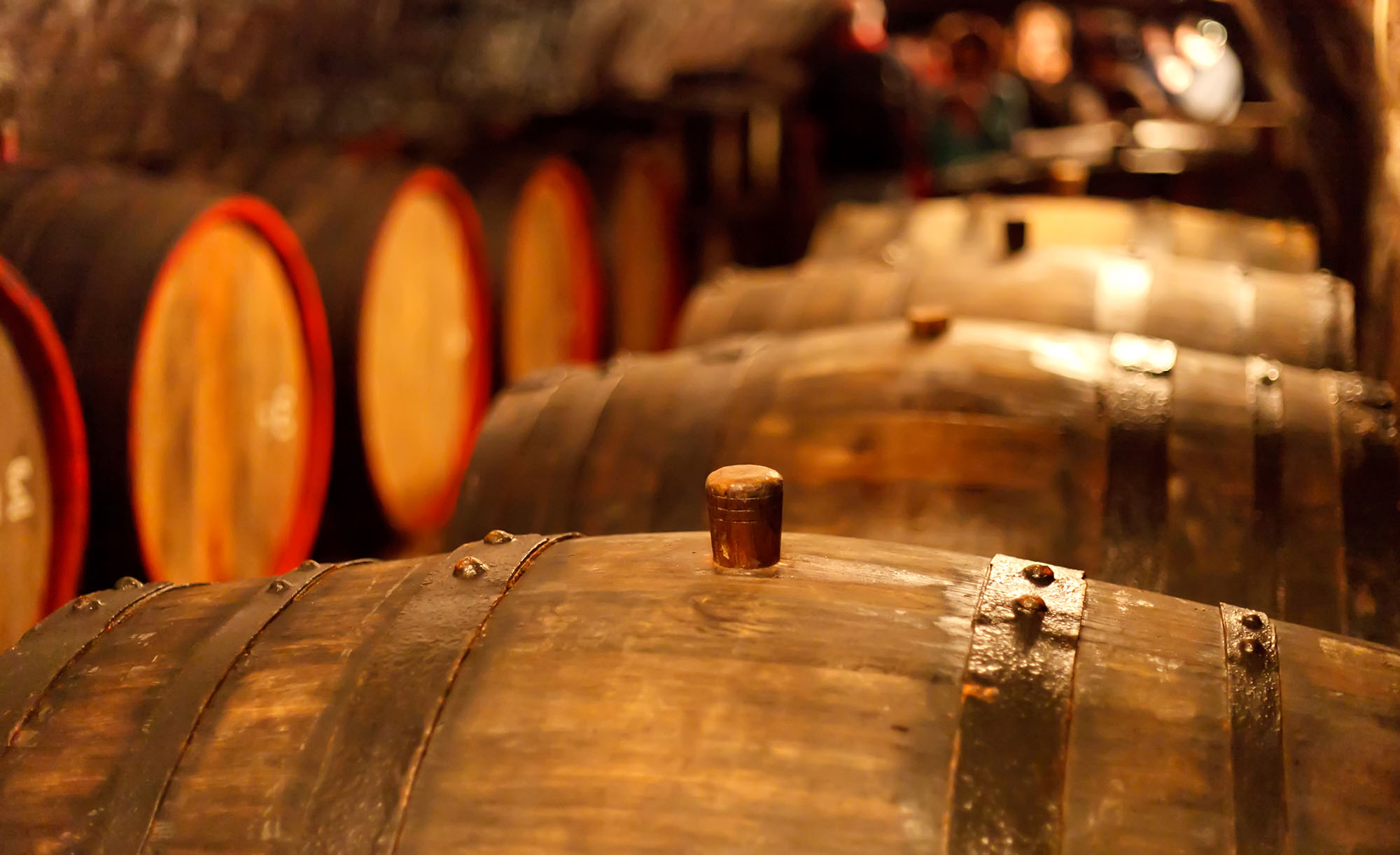
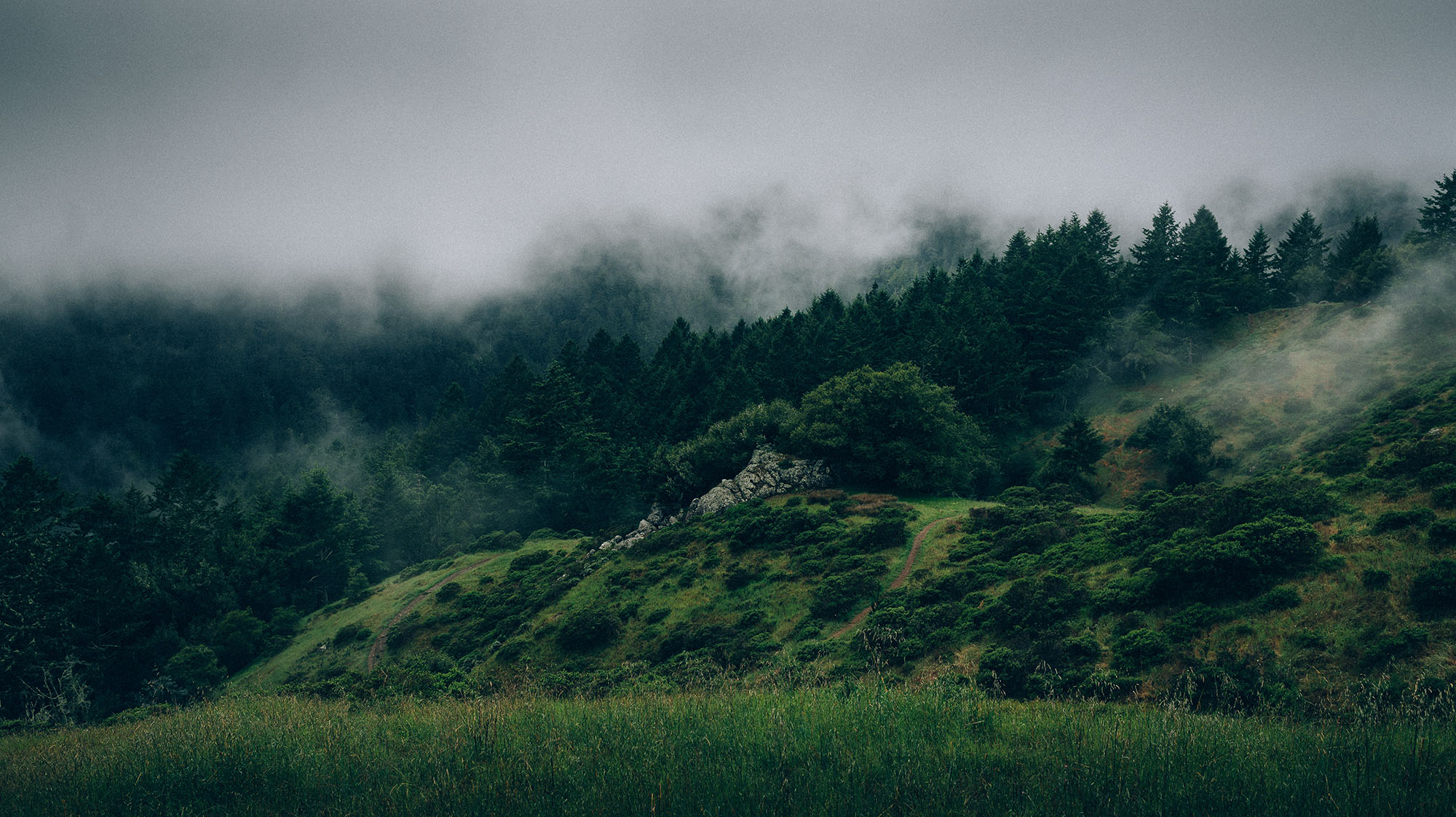
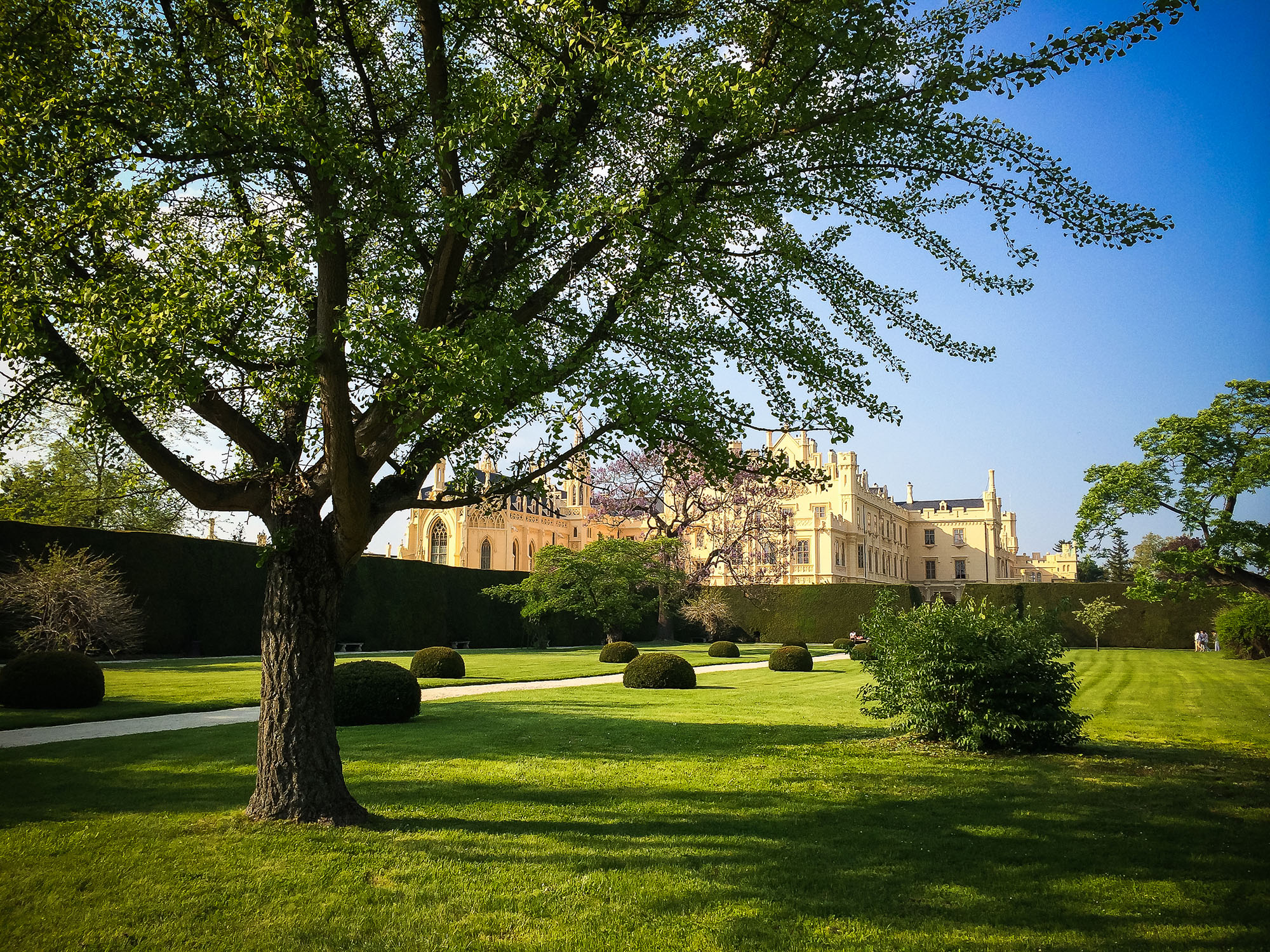
The grapes of White Bordeaux include Sauvignon Blanc, Semillon and Muscadelle. There are a few other less-known varieties used in White Bordeaux such as Colombard and Ugni Blanc (the grape used in Cognac), but most White Bordeaux are made of Semillon and Sauvignon Blanc. Bordeaux is where Sauvignon Blanc originated and it’s very old. In fact, it’s older than Cabernet Sauvignon, a genetic cross of Sauvignon Blanc and Cabernet Franc that occured sometime during the 1600’s. There are two major styles of White Bordeaux: Light & Fruity or Rich & Creamy. Light & Fruity styles make up the majority of White Bordeaux and are generally cheaper. Rich & Creamy White Bordeaux wines are made in a specific region (Pessac-Leognan) and tend to be expensive.
So what do the two styles of White Bordeaux taste like? This is the most readily available style of White Bordeaux. Expect big flavors and aromas of citrus, grapefruit, lemon, gooseberry and lime along with grass, freshly-wet concrete, honey, passionfruit and honeysuckle flower. This is the most highly sought-after style of White Bordeaux. These wines tend to be predominantly Semillon which offers a much richer, more oily feeling on the tongue than Sauvignon Blanc. Expect flavors of baked apples and pears, crème brûlée, carmelized grapefruit, orange zest, ginger, figs, lemon butter and even chamomile.
Of all the Sauvignon Blancs in the world, White Bordeaux tends to be more citrus and floral vs. grassy and herbal. The acidity is not as high as Pouilly-Fumé (a Sauvignon Blanc from the Loire Valley) and the flavor is not as tropical or peachy as California Suavignon Blanc. Remember to be careful pairing White Bordeaux with overly acidic foods that will overshadow the wine.