Latest News
Kitchen Chat and more…

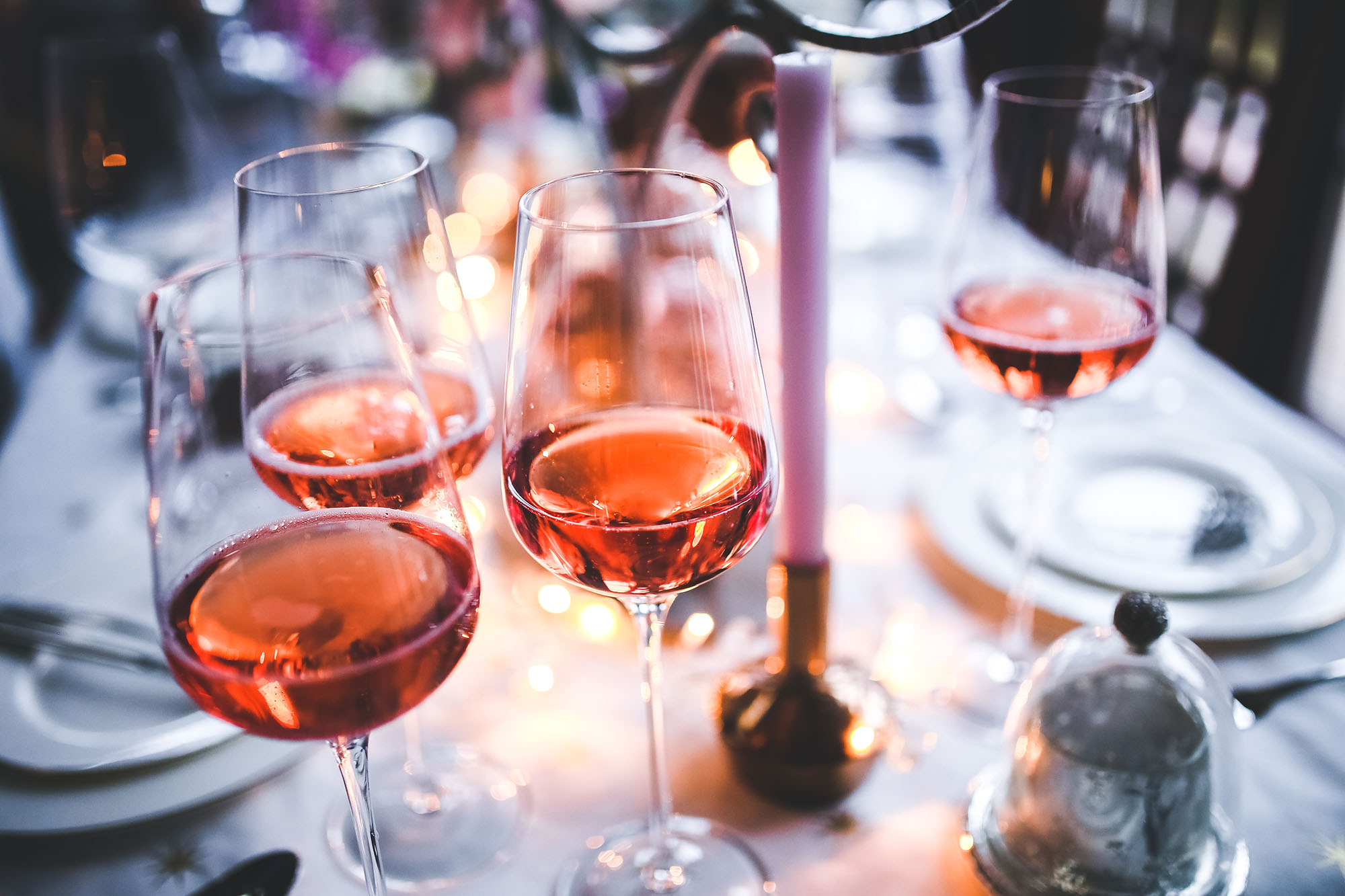




Wine tasting (often, in wine circles, simply tasting) is the sensory examination and evaluation of wine. While the practice of wine tasting is as ancient as its production, a more formalized methodology has slowly become established from the 14th century onwards. Modern, professional wine tasters (such as sommeliers or buyers for retailers) use a constantly evolving formal terminology which is used to describe the range of perceived flavors, aromas and general characteristics of a wine. More informal, recreational tasting may use similar terminology, usually involving a much less analytical process for a more general, personal appreciation.
The results of the four recognized stages to wine tasting: appearance, “in glass” the aroma of the wine, “in mouth” sensations, “finish” (aftertaste) – are combined in order to establish the following properties of a wine: complexity and character, potential (suitability for aging or drinking), possible faults.
A wine’s overall quality assessment, based on this examination, follows further careful description and comparison with recognized standards, both with respect to other wines in its price range and according to known factors pertaining to the region or vintage; if it is typical of the region or diverges in style; if it uses certain wine-making techniques, such as barrel fermentation or malolactic fermentation, or any other remarkable or unusual characteristics.
Whereas wines are regularly tasted in isolation, a wine’s quality assessment is more objective when performed alongside several other wines, in what are known as tasting “flights”. Wines may be deliberately selected for their vintage (“horizontal” tasting) or proceed from a single winery (“vertical” tasting), to better compare vineyard and vintages, respectively. Alternatively, in order to promote an unbiased analysis, bottles and even glasses may be disguised in a “blind” tasting, to rule out any prejudicial awareness of either vintage or winery.


Storage is an important consideration for wine that is being kept for long-term aging. While most wine is consumed within 24 hours of purchase, fine wines are often set aside for long-term storage. Wine is one of the few commodities that can improve with age but it can also rapidly deteriorate if kept in inadequate conditions. The three factors that have the most direct impact on a wine’s condition are light, humidity and temperature. A fourth consideration is security for expensive wines. Historically the storage of wine was handled by wine merchants but since the mid-20th century consumers have been increasingly storing their own wine in home-based wine cellars. Since the end of the 20th century, there has been growth in industries relating to wine storage. Some wine connoisseurs may elect to store their wine at home in a dedicated room, closet or cellarette. Other options involve purchases and rentals at off-site wine storage facilities that are specifically designed for the task.
Wine will prematurely develop if stored in an environment that has large temperature variations, particularly if these occur frequently. Temperature control systems ensure the wine cellar temperature is very stable. The variations cause corks to expand and contract which leads to oxidation of the wine.
If wine is stored in conditions that are too dry, the cork will shrink and cause leakage. Too moist, and mould and contamination may occur. Climate Controlled Wine Storage maintains moderate humidity levels (55%-75%) to avoid these problems and assist in the optimum wine development conditions. Other industries focus on the construction of home wine cellars and wine caves, small rooms or spaces in which to store wine. Others produce smaller wine accessories, such as racks and wine refrigerators. These appliances can feature adjustable temperature interfaces, two chambers for red and white wines and materials which protect the wine from the sun and ambient environment. Wine preservation and dispensing systems have also been developed that store wine at their optimal temperatures and use nitrogen gas to dispense the wine. Nitrogen gas helps prevent wine from oxidation and premature spoilage.



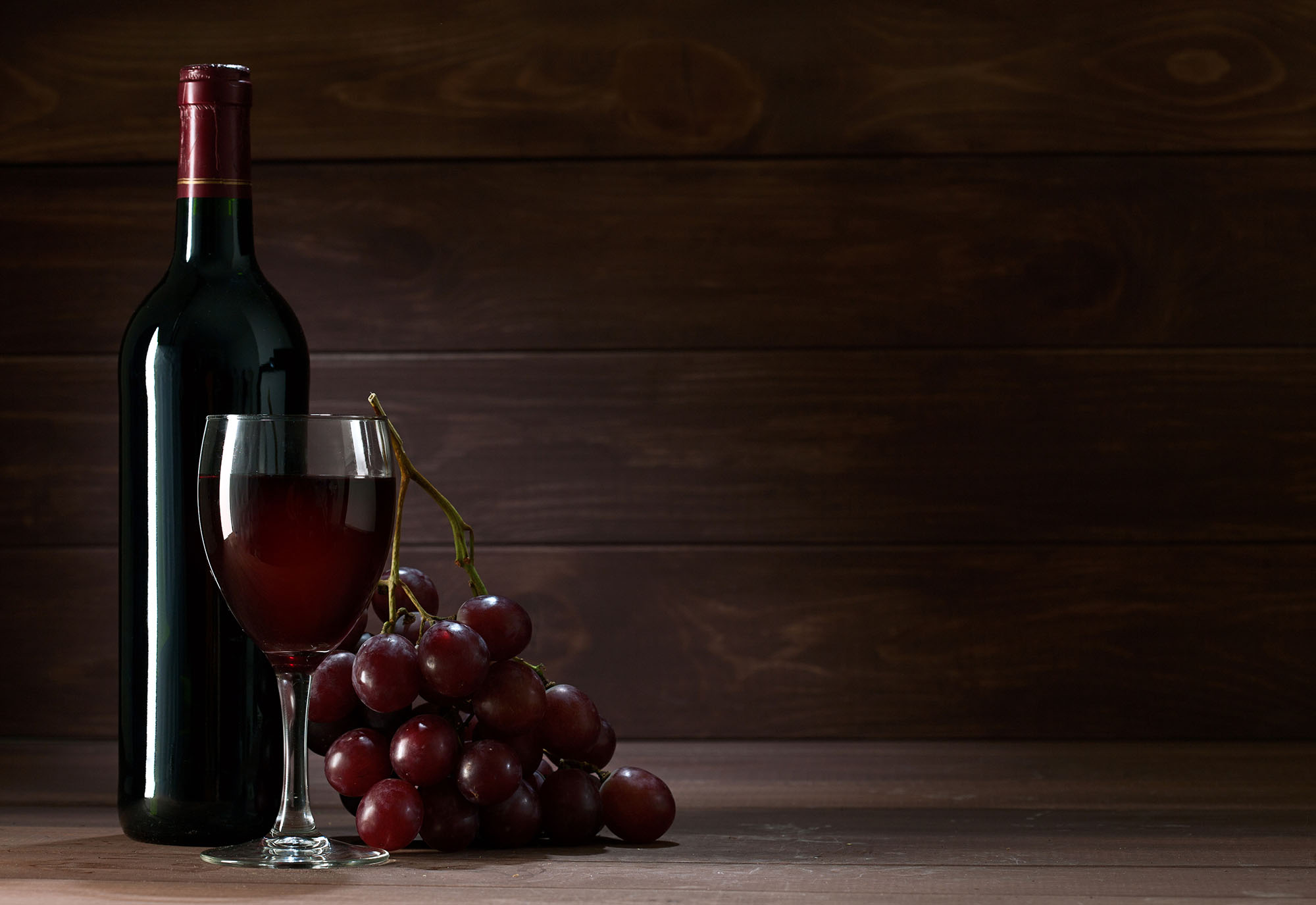
Although excessive alcohol consumption has adverse health effects, epidemiological studies have consistently demonstrated that moderate consumption of alcohol and wine is statistically associated with a decrease in cardiovascular illness such as heart failure. Additional news reports on the French paradox also back the relationship. This paradox concerns the comparatively low incidence of coronary heart disease in France despite relatively high levels of saturated fat in the traditional French diet. Some epidemiologists suspect that this is due to higher wine consumption by the French, but the scientific evidence for this theory is limited. Because the average moderate wine drinker is likely to exercise more often, to be more health conscious, and to be from a higher educational and socioeconomic background, the association between moderate wine drinking and better health may be related to confounding factors or represent a correlation rather than cause and effect.
Population studies have observed a J-curve correlation between wine consumption and the prevalence of heart disease: heavy drinkers have an elevated prevalence, while moderate drinkers (up to 20g of alcohol per day, approximately 200 ml (7 imp fl oz; 7 US fl oz) of 12.7% ABV wine) have a lower prevalence than non-drinkers. Studies have also found that moderate consumption of other alcoholic beverages is correlated with decreased mortality from cardiovascular causes, although the association is stronger for wine. Additionally, some studies have found a greater correlation of health benefits with red than white wine, though other studies have found no difference. Red wine contains more polyphenols than white wine, and these could be protective against cardiovascular disease.
A chemical in grapes, red wine, peanuts and blueberries called resveratrol has been shown to have both cardioprotective and chemoprotective effects in animal studies. Low doses of resveratrol in the diet of middle-aged mice has a widespread influence on the genetic factors related to aging and may confer special protection on the heart. Specifically, low doses of resveratrol mimic the effects of caloric restriction—diets with 20–30% fewer calories than a typical diet. Resveratrol is produced naturally by grape skins in response to fungal infection, including exposure to yeast during fermentation. As white wine has minimal contact with grape skins during this process, it generally contains lower levels of the chemical. Beneficial compounds in wine also include other polyphenols, antioxidants, and flavonoids.
Red wines from the south of France and from Sardinia in Italy have the highest levels of procyanidins, compounds in grape seeds which could be responsible for red wine’s heart benefits. Red wines from these areas contain between two and four times as much procyanidins as other red wines tested. Procyanidins suppress the synthesis of a peptide called endothelin-1 that constricts blood vessels.