Highlight

[trx_section align=”right” dedicated=”yes” columns=”1_2″]
[trx_image url=”http://grecko.themerex.net/wp-content/uploads/2014/02/masonry12.jpg”]
[/trx_section]

An unpleasant characteristic often resulting from poor winemaking practices or storage conditions, and leading to wine spoilage sometimes can be found in wine. Many of the compounds that cause wine faults are already naturally present in wine but at insufficient concentrations to adversely affect it. In fact, depending on perception, these concentrations may impart positive characters to the wine. However when the concentration of these compounds greatly exceeds the sensory threshold, they replace or obscure the flavors and aromas that the wine should be expressing (or that the winemaker wants the wine to express). Ultimately the quality of the wine is reduced, making it less appealing and sometimes undrinkable.

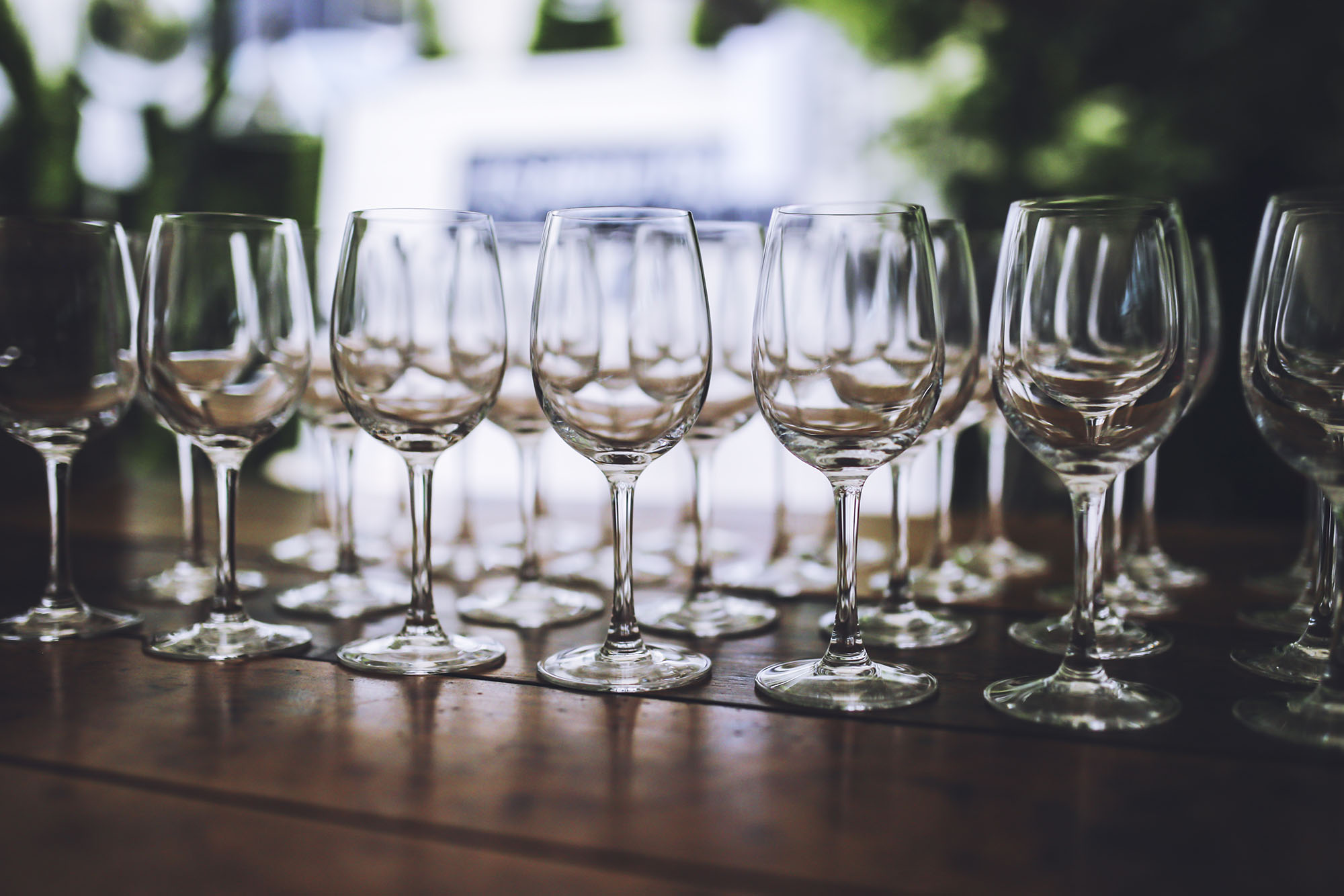
There are many causes for the perception in wine faults including poor hygiene at the winery, [trx_highlight type=”1″] excessive and/or insufficient exposure of the wine to oxygen [/trx_highlight], excessive or insufficient exposure of the wine to sulphur, overextended maceration of the wine either pre- or post-fermentation, faulty fining, filtering and stabilization of the wine, the use of dirty oak barrels, over-extended barrel aging and the use of poor quality corks. Outside of the winery, other factors within the control of the retailer or end user of the wine can contribute to the perception of flaws in the wine. These include poor storage of the wine that exposes it to [trx_highlight type=”1″ color=”#eb413e” backcolor=”#f2f5f8″] excessive heat and temperature fluctuations [/trx_highlight] as well as the use of dirty stemware during wine tasting that can introduce materials or aromas to what was previously a clean and fault-free wine.

[trx_columns columns=”3″]
[trx_column_item]
In wine tasting, there is a distinction made between what is considered a flaw and a fault. Wine flaws are minor attributes that depart from what are perceived as normal wine characteristics. These include excessive sulfur dioxide, volatile acidity, Brettanomyces or “Brett aromas” and diacetyl or buttery aromas. The amount to which these aromas or attributes become excessive is dependent on the particular tastes and recognition threshold of the wine taster. Generally, a wine exhibiting these qualities is still considered drinkable by most people.
[/trx_column_item]
[trx_column_item]
However, some flaws such as volatile acidity and Brettanomyces can be considered a fault when they are in such an excess that they overwhelm other components of the wine. Wine faults are generally major attributes that make a wine undrinkable to most wine tasters. Examples of wine faults include acetaldehyde (except when purposely induced in wines like Sherry and Rancio), ethyl acetate and cork taint.
[/trx_column_item]
[trx_column_item]
The vast majority of wine faults are detected by the nose and the distinctive aromas that they give off. However, the presence of some wine faults can be detected by visual and taste perceptions. For example, [trx_highlight type=”2″]premature oxidation[/trx_highlight] can be noticed by the yellowing and browning of the wine’s color. The sign of gas bubbles in wines that are not meant to be sparkling can be a sign of refermentation or malolactic fermentation happening in the bottle. Unusual breaks in the color of the wine could be a sign of excessive copper, iron or proteins that were not removed during fining or filtering.
[/trx_column_item]
[/trx_columns]

Google maps

[trx_googlemap id=”1″ zoom=”16″ width=”100%” height=”300″ bottom=”30″ style=”royal” scroll=”yes”]
Australian sparkling wine production has come a long way in a very short period of time with several notable French Champagne houses investing in production. Tasmania is the current hot bed of Australian Sparkling wine with both the traditional grape varieties and method of secondary fermentation being employed. Whilst most sparkling wine is produced from Chardonnay, Pinot noir and possibly Pinot Meuniere, an Australian speciality is sparkling Shiraz, a red sparkling wine produced from Shiraz grapes. Most sparkling Shiraz is traditionally somewhat sweet, but some producers make it dry, full-bodied and tannic. Excellent examples of the traditional dry and full-bodied style are Seppelt Sparkling Shiraz Vintage, Peter Rumball, Morris Sparkling Shiraz Durif and d’Arenberg’s Sparkling Chambourcin.

[trx_title type=”2″ align=”center” size=”huge” position=”top” bottom=”20″]Map style[/trx_title]

[trx_columns indent=”yes” columns=”3″  bottom=”0″]
[trx_column_item]
[trx_googlemap id=”2″ zoom=”16″ style=”greyscale1″ width=”100%” height=”300″ bottom=”0″ scroll=”yes”]
[/trx_column_item]
[trx_column_item]
[trx_googlemap id=”3″  zoom=”8″ style=”style2″ width=”100%” height=”300″ bottom=”0″ scroll=”yes”]
[/trx_column_item]
[trx_column_item]
[trx_googlemap id=”4″  zoom=”3″ style=”style3″ width=”100%” height=”300″ bottom=”0″ scroll=”yes”]
[/trx_column_item]
[/trx_columns]
The vast majority of wine faults are detected by the nose and the distinctive aromas that they give off. However, the presence of some wine faults can be detected by visual and taste perceptions. For example, premature oxidation can be noticed by the yellowing and browning of the wine’s color. The sign of gas bubbles in wines that are not meant to be sparkling can be a sign of refermentation or malolactic fermentation happening in the bottle. Unusual breaks in the color of the wine could be a sign of excessive copper, iron or proteins that were not removed during fining or filtering. A wine with an unusual color for its variety or wine region could be a sign of excessive or insufficient maceration or as well as poor temperature controls during fermentation. Tactile clues of potential wine faults include the burning, acidic taste associated with volatile acidity that can make a wine seem out of balance.

Image

[trx_section align=”right” dedicated=”yes” columns=”1_2″ bottom=”0″ left=”0″]
[trx_image url=”http://wine.themerex.net/wp-content/uploads/2014/02/Depositphotos_9569491_original.jpg” title=”Image title” align=”right” width=”400″ height=”300″]
[/trx_section]

There is no simple definition of a dessert wine. In the UK, a dessert wine is considered to be any sweet wine drunk with a meal, as opposed to the white fortified wines (fino and amontillado sherry) drunk before the meal, and the red fortified wines (port and madeira) drunk after it. Thus, most fortified wines are regarded as distinct from dessert wines, but some of the less strong fortified white wines, such as Pedro Ximénez sherry and Muscat de Beaumes-de-Venise, are regarded as honorary dessert wines. In the United States, by contrast, a dessert wine is legally defined as any wine over 14% alcohol by volume, which includes all fortified wines – and is taxed more highly as a result. This dates back to a time when the US wine industry only made dessert wines by fortification, but such a classification is outdated now that modern yeast and viticulture can produce dry wines over 15% without fortification, yet German dessert wines can contain half that amount of alcohol. Examples include Sauternes and Tokaji Aszú. In the absence of other techniques, makers of dessert wine have to produce their sugar in the vineyard. Some grape varieties, such as Muscat, Ortega and Huxelrebe, naturally produce a lot more sugar than others. Environmental conditions have a big effect on ultimate sugar levels – the vigneron can help by leaving the grapes on the vine until they are fully ripe, and by green harvesting and pruning to expose the young grapes to the sun. Green harvesting reduces the number of bunches on a vine early in the summer, so that the sugar production of the leaves is divided between fewer bunches. Unfortunately the vigneron cannot control the sun, but a sunny year can help sugar levels a lot. The semi-sweet Auslese wines in the German wine classification are probably the best example of this approach; most modern winemakers perceive that their customers want either fully dry or ‘properly’ sweet dessert wines, so ‘leave it to nature’ is currently out of fashion. But most of the Muscats of ancient times were probably made this way, including the famous Constantia of South Africa. Honey was added to wine in Roman times, for sweetness and to increase the final strength of the wine. Today sugar is usually added in order to boost the alcohol levels of flabby, unripe wines rather than for sweetness, although a degree of chaptalization is permitted in the wines of many countries. German wines must declare whether they are ‘natural’ or not; in any case, chaptalization is banned from the top tiers of German wines.

[trx_image url=”http://wine.themerex.net/wp-content/uploads/2014/11/Depositphotos_23539743_original.jpg” align=”center” height=”800″]
The “reserve of sweetness” is a German technique in which unfermented must (grape juice) is added to the wine after fermentation. This increases the sweetness of the final wine, and dilutes the alcohol somewhat—in Germany the final wine can contain no more than 15% Süssreserve by volume. Süssreserve allows winemakers to fully ferment the wine without having to worry about stopping fermentation before all the sugar has gone. Since sulphites are used to stop fermentation, this technique reduces the usage of sulphites. Süssreserve is used by other makers of German-style wines, particularly in New Zealand.

Infobox

[trx_section align=”right” dedicated=”yes” columns=”1_2″]

[trx_infobox style=”regular” bottom=”0″]
[trx_icon icon=”icon-twitter” align=”left” size=”40″]
The main fortified wines drunk with dessert are sweet sherry, particularly Pedro Ximénez, and vins doux naturels. The Pedro Ximenez dessert wine is unique because it is a raisin wine that is then fortified and aged in a solera system like other sherries. [/trx_infobox]
[/trx_section]

Other sweet sherries such as Bristol Cream may also be drunk as dessert wine. The production of vins doux naturels was perfected by Arnaud de Villeneuve at the University of Montpellier in the 13th century and they are now quite common in the Languedoc-Roussillon of southwest France. As the names suggest, Muscat de Beaumes-de-Venise, Muscat de Rivesaltes, Muscat de Frontignan, Muscat de Lunel, Muscat de Mireval and Muscat de St-Jean Minervois are all made from the white Muscat grape, whilst Banyuls and Maury are made from red Grenache. Regardless of the grape, fermentation is stopped with up to 10% of 95% grape spirit. The Muscats are made in a somewhat oxidised style, the Grenaches less so.

[trx_infobox style=”info” closeable=”yes”][trx_icon icon=”icon-lightbulb” align=”left” size=”55″]In ancient Carthage, a sweet wine called passum was made from air-dried grapes, and similar wines are still made, called Moscato Passito di Pantelleria. Such wines were described by the Romans, and northern Italy is home to a number of ‘passito’ wines, where the grapes are dried on straws or hung from the rafters.[/trx_infobox]

These wines include Vin Santo (into which almond biscuits (‘cantucci’) are traditionally dunked), Sciachetrà, Recioto di Soave (drunk with the local version of panettone) and the sweet red Recioto della Valpolicella (which stands up to chocolate better than most wine). Across the Alps, the French make ‘straw wine’ (vin de paille) in the Jura, Rhone and Alsace, the Spanish start off making a raisin wine with Pedro Ximénez before fortifying it, the Cypriots have their ancient Commandaria and there have been recent experiments with the style in South Africa and the USA.

[trx_columns columns=”3″]
[trx_column_item]
[trx_infobox style=”success” closeable=”yes” title=”Success” bottom=”0″]Lorem ipsum dolor sit amet, consectetur adipisicing elit. Modi, sint tempora est architecto unde accusantium dicta dolorum obcaecati commodi accusamus.[/trx_infobox]
[/trx_column_item]

[trx_column_item]
[trx_infobox style=”regular” closeable=”yes” title=”Regular” bottom=”0″]Lorem ipsum dolor sit amet, consectetur adipisicing elit. Modi, sint tempora est architecto unde accusantium dicta dolorum obcaecati commodi accusamus.[/trx_infobox]
[/trx_column_item]

[trx_column_item]
[trx_infobox style=”error” closeable=”yes” title=”Error” bottom=”0″]Lorem ipsum dolor sit amet, consectetur adipisicing elit. Modi, sint tempora est architecto unde accusantium dicta dolorum obcaecati commodi accusamus.[/trx_infobox]
[/trx_column_item]
[/trx_columns]

Most wine laws require temperatures below at most −7 °C (19 °F) before the grapes for ice wine can be picked. At such temperatures, some of the water in the grapes freezes out, but the sugars and other solids remain dissolved in the remaining juice. If the grapes are pressed whilst frozen, a very concentrated must can result, which needs special yeast and a long time to ferment. The resulting wines are very sweet, but with lots of balancing acidity. The minuscule yields mean they tend to be very expensive. The most famous ice wines are German Eiswein and Canadian Icewine, but apart from these, ice wine is also made in the United States, Austria, Croatia, Czech Republic, Slovakia, Slovenia, Hungary, Italy, Australia, France and New Zealand in smaller quantities.

[trx_infobox style=”info” closeable=”yes” bottom=”0″]A general rule is that the wine should be sweeter than the food it is served with – a perfectly ripe peach has been described as the ideal partner for many dessert wines, whereas it makes sense not to drink wine at all with many chocolate- and toffee-based dishes. Red dessert wines like Recioto della Valpolicella and fortified wines like the vin doux naturel Muscats are the best matches for such difficult-to-pair desserts. Red dessert wines are served at room temperature or slightly chilled.[trx_br clear=”both”][trx_button skin=”global” style=”bg” size=”medium” fullsize=”no” icon=”icon-bag” link=”#” target=”no” popup=”no” top=”30″]Buy theme[/trx_button][/trx_infobox]

Line

[trx_section align=”right” dedicated=”yes” columns=”1_2″ scroll=”no” dir=”horizontal”]
[trx_line style=”solid” color=”#dddddd” align=”center” width=”20%”]
[trx_line style=”solid” color=”#dddddd” align=”center” width=”40%”]
[trx_line style=”solid” color=”#dddddd” align=”center” width=”60%”]
[trx_line style=”solid” color=”#dddddd” align=”center” width=”40%”]
[trx_line style=”solid” color=”#dddddd” align=”center” width=”20%”]
[/trx_section]

Jerez has been a centre of viniculture since wine-making was introduced to Spain by the Phoenicians in 1100 BC. The practice was carried on by the Romans when they took control of Iberia around 200 BC. The Moors conquered the region in AD 711 and introduced distillation, which led to the development of brandy and fortified wine. During the Moorish period, the town was called Sherish from which both Sherry and Jerez are derived. Wines similar in style to Sherry have traditionally been made in the city of Shiraz in mid-southern Iran, but it is thought that the name derives from there.

[trx_columns indent=”yes” columns=”2″]
[trx_column_item]
[trx_title type=”4″ size=”inherit” icon=”icon-droplet” bottom=”30″]Style[/trx_title]
Solid style. Sherry wine became very popular in Great Britain, especially after Francis Drake sacked Cadiz in 1587.[trx_line style=”solid”]
Dashed style. Sherry wine became very popular in Great Britain, especially after Francis Drake sacked Cadiz in 1587.[trx_line style=”dashed”]
Dotted style. Sherry wine became very popular in Great Britain, especially after Francis Drake sacked Cadiz in 1587.[trx_line style=”dotted”]
[/trx_column_item]

[trx_column_item]
[trx_title type=”4″ size=”inherit” icon=”icon-cog” bottom=”30″]Custom color pick[/trx_title]
Red. Drake helped to popularize Sherry in the British Isles.[trx_line style=”solid” color=”#eb413e” ]

Cyanic. Drake helped to popularize Sherry in the British Isles.[trx_line  style=”dashed” color=”#3ec1b8″]
Green. Drake helped to popularize Sherry in the British Isles.[trx_line style=”dotted” color=”#55694c”]
[/trx_column_item]
[/trx_columns]
Alignment

[trx_line align=”left” width=”30%”]
Align left. Today, Sherry’s official status is further recognized by wider EU legislation. Sherry must come from the triangular area of the province of Cádiz between Jerez de la Frontera, Sanlúcar de Barrameda, and El Puerto de Santa María.
[trx_line align=”center” width=”30%”]

Align center. Today, Sherry’s official status is further recognized by wider EU legislation. Sherry must come from the triangular area of the province of Cádiz between Jerez de la Frontera, Sanlúcar de Barrameda, and El Puerto de Santa María.

[trx_line align=”right” width=”30%”]

Align right. Today, Sherry’s official status is further recognized by wider EU legislation. Sherry must come from the triangular area of the province of Cádiz between Jerez de la Frontera, Sanlúcar de Barrameda, and El Puerto de Santa María.

List

[trx_section align=”right” dedicated=”yes” columns=”1_2″ bottom=”0″ ]

Iconed list

[trx_list style=”iconed” icon=”icon-check” left=”5″]
[trx_list_item]3 Bramley apples, peeled, 2 cut into chunks.[/trx_list_item]
[trx_list_item icon=”icon-eye”]400g/14oz blackberries, 100g/3BS reserved.[/trx_list_item]
[trx_list_item icon=”icon-mail”]110g/4oz caster sugar.[/trx_list_item]
[trx_list_item icon=”icon-check” marked=”yes”]10 slices white bread, crusts removed.[/trx_list_item]
[trx_list_item icon=”icon-volume”]100g/3BSoz butter, melted, plus extra for greasing.[/trx_list_item]
[/trx_list]
[/trx_section]

Jerez has been a centre of viniculture since wine-making was introduced to Spain by the Phoenicians in 1100 BC. The practice was carried on by the Romans when they took control of Iberia around 200 BC. The Moors conquered the region in AD 711 and introduced distillation, which led to the development of brandy and fortified wine. During the Moorish period, the town was called Sherish from which both Sherry and Jerez are derived. Wines similar in style to Sherry have traditionally been made in the city of Shiraz in mid-southern Iran, but it is thought unlikely that the name derives from there. Wine production continued through five centuries of Arab Empire’s rule. In 966, Al-Hakam II, the second Caliph of Córdoba, ordered the destruction of the vineyards, but the inhabitants of Jerez appealed on the grounds that the vineyards also produced raisins to feed the empire’s soldiers, and the Caliph spared two-thirds of the vineyards.

[trx_section align=”left” columns=”1_2″ bottom=”0″]

Unordered list

  • 3 Bramley apples, peeled, 2 cut into chunks.
  • 400g/14oz blackberries, 100g/3BS reserved.
  • 110g/4oz caster sugar.
  • 10 slices white bread, crusts removed.
  • 100g/3BSoz butter, melted, plus extra for greasing.

[/trx_section]

In 1264 Alfonso X of Castile took the city. From this point on, the production of Sherry and its export throughout Europe increased significantly. By the end of the 16th century, Sherry had a reputation in Europe as the world’s finest wine. Christopher Columbus brought Sherry on his voyage to the New World and when Ferdinand Magellan prepared to sail around the world in 1519, he spent more on Sherry than on weapons. Sherry wine became very popular in Great Britain, especially after Francis Drake sacked Cadiz in 1587. At that time Cadiz was one of the most important Spanish sea ports, and Spain was preparing an armada there to invade England. Among the spoils Drake brought back after destroying the fleet were 2,900 barrels of Sherry that had been on shore waiting to be loaded aboard Spanish ships. This helped to popularize Sherry in the British Isles.

[trx_section align=”right” columns=”1_2″ bottom=”0″]

Ordered list

  1. 3 Bramley apples, peeled, 2 cut into chunks.
  2. 400g/14oz blackberries, 100g/3BS reserved.
  3. 110g/4oz caster sugar.
  4. 10 slices white bread, crusts removed.
  5. 100g/3BSoz butter, melted, plus extra for greasing.

[/trx_section]

Spanish producers have registered the names Jerez / Xérès / Sherry and will prosecute producers of similar fortified wines from other places using the same name. In 1933, Article 34 of the Spanish Estatuto del Vino (Wine Law) established the boundaries of Sherry production as the first Spanish wine denominación. Today, Sherry’s official status is further recognized by wider EU legislation. Sherry must come from the triangular area of the province of Cádiz between Jerez de la Frontera, Sanlúcar de Barrameda, and El Puerto de Santa María. However the name “Sherry” is used as a semi-generic in the United States where it must be labeled with a region of origin such as American sherry or California sherry. However such wines cannot be exported to the EU. Australian wine makers now use the term Apera instead of Sherry,[16] whilst Australian consumers still use the term Sherry. As of December 31, 2013 the term Apera is now also used by Canadian wine makers.

[trx_section align=”left” columns=”1_2″ bottom=”0″]

Arrows list

[trx_list style=”iconed”]
[trx_list_item]3 Bramley apples, peeled, 2 cut into chunks.[/trx_list_item]
[trx_list_item]400g/14oz blackberries, 100g/3BS reserved.[/trx_list_item]
[trx_list_item marked=”yes”]110g/4oz caster sugar.[/trx_list_item]
[trx_list_item marked=”yes”]10 slices white bread, crusts removed.[/trx_list_item]
[trx_list_item]100g/3BSoz butter, melted, plus extra for greasing.[/trx_list_item]
[/trx_list]

[/trx_section]
Sherry is then aged in the solera system where new wine is put into wine barrels at the beginning of a series of three to nine barrels. Periodically, a portion of the wine in a barrel is moved into the next barrel down, using tools called the canoa (canoe) and rociador (sprinkler) to move the wine gently and avoid damaging the layer of flor in each barrel. At the end of the series only a portion of the final barrel is bottled and sold. Depending on the type of wine, the portion moved may be between five and thirty percent of each barrel. This process is called “running the scales” because each barrel in the series is called a scale. Thus, the age of the youngest wine going in the bottle is determined by the number of barrels in the series, and every bottle also contains some much older wine than is stated. Sherry is aged in the solera for a minimum of 3 years.

Wine Properties (Bar)

[trx_section align=”right” dedicated=”yes” columns=”1_2″ bottom=”0″]
[trx_skills type=”bar” dir=”vertical” layout=”columns” count=”4″ maximum=”1000″]
[trx_skills_item level=”753″ title=”Bouquet”]
[trx_skills_item level=”980″ title=”Chocolaty”]
[trx_skills_item level=”660″ title=”Acidity”]
[trx_skills_item level=”870″ title=”Alcohol”]
[/trx_skills]
[/trx_section]

Cabernet Franc is one of the major black grape varieties worldwide. It is principally grown for blending with Cabernet Sauvignon and Merlot in the Bordeaux style, but can also be vinified alone, as in the Loire’s Chinon. In addition to being used in blends and produced as a varietal in Canada and the United States, it is made into ice wine in those regions. Cabernet Franc is lighter than Cabernet Sauvignon, making a bright pale red wine that contributes finesse and lends a peppery perfume to blends with more robust grapes. Depending on the growing region and style of wine, additional aromas can include tobacco, raspberry, bell pepper, cassis, and violets. Records of Cabernet Franc in Bordeaux go back to the end of the 18th century, although it was planted in Loire long before that time. DNA analysis indicates that Cabernet Franc is one of two parents of Cabernet Sauvignon, a cross between it and Sauvignon blanc.

[trx_line style=”solid”]

[trx_skills maximum=”100″ type=”bar” dir=”horizontal” layout=”columns” count=”5″]
[trx_skills_item title=”Bouquet” level=”98%”]
[trx_skills_item title=”Sweetness” level=”66%”]
[trx_skills_item title=”Chocolaty” level=”87%”]
[trx_skills_item title=”Acidity” level=”82%”]
[trx_skills_item title=”Alcohol” level=”76%”]
[/trx_skills]

Cabernet Franc is believed to have been established in the Libournais region of southwest France sometime in the 17th century, when Cardinal Richelieu transported cuttings of the vine to the Loire Valley. They were planted at the Abbey of Bourgueil under the care of an abbot named Breton, whose name became associated with the grape. By the 18th century, plantings of Cabernet Franc (known as Bouchet) were found throughout Fronsac, Pomerol and St-Emilion, making quality wines. As Cabernet Sauvignon grew more popular in the 18th and 19th centuries, the close similarity of the two grapes was observed and theories emerged as to the extent of their relationship. In 1997, DNA evidence emerged to show that Cabernet Franc had crossed with Sauvignon blanc to produce Cabernet Sauvignon. In general, Cabernet Franc is very similar to Cabernet Sauvignon, but buds and ripens at least a week earlier. This trait allows the vine to thrive in slightly cooler climates than Cabernet Sauvignon, such as the Loire Valley.

[trx_section align=”right” columns=”2_3″ bottom=”0″]

[trx_title type=”4″ position=”left” icon=”icon-gauge” bottom=”0″]Property bar (layout “Rows”)[/trx_title]
[trx_skills maximum=”100″ type=”bar” dir=”horizontal” layout=”rows” count=”5″]
[trx_skills_item title=”Bouquet” level=”98%”]
[trx_skills_item title=”Sweetness” level=”66%”]
[trx_skills_item title=”Chocolaty” level=”87%”]
[trx_skills_item title=”Acidity” level=”82%”]
[trx_skills_item title=”Alcohol” level=”76%”]
[/trx_skills]

[/trx_section]

In Bordeaux, plantings of Cabernet Franc are treated as an “insurance policy” against inclement weather close to harvest that may damage plantings of Cabernet Sauvignon. Its early budding does pose the viticultural hazard of coulure early in the growing season. The vine is vigorous and upright, with dark-green, 5-lobed leaves. The winged bunches are elongate and small-medium in size. The berries are quite small and blue-black in color, with fairly thin skins. The Cabernet Franc grapevine is more prone to mutation than Cabernet Sauvignon, less so than Pinot noir. Cabernet Franc can adapt to a wide variety of vineyard soil types but seems to thrive in sandy, chalk soils, producing heavier, more full bodied wines there. In the Loire Valley, terroir based differences can be perceived between wines made from grapes grown in gravel terraces versus tuffeau slopes. The grape is highly yield sensitive, with over-cropping producing wines with more green, vegetal notes. Across the world Cabernet Franc is one of the twenty most widely planted grape varieties. Plantings are found throughout Europe, in the New World, China and Kazakhstan. In many regions, it is planted as a component of a Bordeaux-style blend such as Meritage, playing secondary role to Cabernet Sauvignon and Merlot. In parts of northeast Italy, Anjou-Saumur, Touraine and the right bank region of Bordeaux, Cabernet Franc both plays a more prominent role in blends and is vinted as a varietal.

Team

[trx_section align=”right” dedicated=”yes” columns=”2_3″ scroll=”no” dir=”horizontal” bottom=”0″]
[trx_team indent=”yes” rounding=”no” style=”1″ columns=”2″]
[trx_team_item user=”TREX” name=”Pamela Fryman” position=”Manager” photo=”http://wine.themerex.net/wp-content/uploads/2014/01/3.jpg”][/trx_team_item]
[trx_team_item user=”TREX” name=”johnny Doe” position=”Owner” photo=”http://wine.themerex.net/wp-content/uploads/2014/01/1.jpg”][/trx_team_item]
[/trx_team]

[/trx_section]
We are a small family winery adhering to principles of quality wine making. We firmly believe that the wine we make is capable of competing with world famous brands. Our wine is a combination of hard work of our wine makers and the uniqueness of terroir; it’s thoroughness on each stage of wine making and usage of up-to-date techniques, as well as it’s an environmental management and respect to our customers. For the wine to become a premium quality we use only the best grapes harvested manually, we transport them in small portions to avoid damage when transit, as well as we use cooling, cold maceration and crushing before compression. Wine House does its best to ensure that each of their clients gets exceptional assistance. Our team is attentive to our customers, and we work hard to make sure you receive the premium quality product. Welcome to our website for exchanging information and points of view on our Wine House company. The quality of Wine House’s wines has always been based on a commitment to selecting the finest fruit. Whether carefully sourcing grapes from top sites in the region or committing itself to estate vineyards, the winery was built on the belief that great wines begin in the vineyard. We have been crafting wine with love to our customers for years, so that you are not disappointed with our products.

[trx_line style=”solid”]

[trx_team indent=”yes” rounding=”yes” style=”2″ columns=”4″]

[trx_team_item user=”TREX” name=”Pamela Fryman” position=”Manager” photo=”http://wine.themerex.net/wp-content/uploads/2014/01/3.jpg”]
We have been crafting wine with love to our customers for years, so that you are not disappointed with our products.
[/trx_team_item]

[trx_team_item user=”TREX” name=”Miki Williams” position=”Assistant” photo=”http://wine.themerex.net/wp-content/uploads/2014/06/3.jpg”]
We have been crafting wine with love to our customers for years, so that you are not disappointed with our products.
[/trx_team_item]

[trx_team_item user=”TREX” name=”Mike Newton” position=”Owner” photo=”http://wine.themerex.net/wp-content/uploads/2014/01/1.jpg”]
We have been crafting wine with love to our customers for years, so that you are not disappointed with our products.
[/trx_team_item]

[trx_team_item user=”TREX” name=”Johnny Doe” position=”Winemaker” photo=”http://wine.themerex.net/wp-content/uploads/2014/01/2.jpg”]
We have been crafting wine with love to our customers for years, so that you are not disappointed with our products.
[/trx_team_item]

[/trx_team]

We Craft Good Things

[trx_video url=”https://www.youtube.com/watch?v=69iT7IOYQFc” autoplay=”off” title=”Pouring Wine into a Glass” image=”http://wine.themerex.net/wp-content/uploads/2014/04/bigstock-healthy-green-grass-pattern-42318229-e1412335988835.jpg”]
Temporibus laudantium sunt repellat unde! Aspernatur sed atque porro placeat ipsam ducimus nisi nostrum impedit labore, facilis possimus, nobis dolorem dolore id, suscipit hic, molestias praesentium voluptatem quos ad libero officiis quasi consequuntur laboriosam. Aliquid, optio ipsa dolore sapiente laudantium accusantium omnis veritatis ad, nulla vero eaque nisi quibusdam officiis iste ullam dolorem voluptas iure architecto repellat recusandae corporis harum.
Illum temporibus. Fuga quo dolores minima error, reiciendis ullam beatae sint incidunt! Vel sapiente, repellat non magnam nostrum laboriosam ducimus reiciendis tempora nam maxime officiis fugit omnis. Aspernatur quia dicta necessitatibus sequi corporis pariatur iusto nam cum officia fugiat quod cupiditate, dolores aliquam, reprehenderit vel eos et harum saepe dolore cumque, inventore totam voluptatem beatae. Libero quia, nam eius ducimus atque corporis eveniet, nemo praesentium, porro, animi quo amet! Eius, laudantium, odit. Ducimus eveniet aperiam perferendis culpa fuga distinctio eaque dolore natus neque praesentium quis voluptate labore, nemo earum eius dolor nam? Numquam, reiciendis voluptatum odio minus! Laudantium perspiciatis obcaecati ullam ex quam nihil ab, maxime fugit a dolorem.

Magnam ipsam iste excepturi dolorem, voluptas illum eligendi libero! Amet accusantium quaerat ipsa nemo deserunt eveniet, voluptates aliquid expedita soluta eius voluptatum sed natus reprehenderit saepe ipsam rerum sequi a ea impedit pariatur quo. Nemo cupiditate dolore, laborum nisi molestiae quos ab laudantium id ipsa pariatur sequi earum ipsum, ullam, recusandae placeat, expedita quidem fugiat? Labore, animi, alias! Mollitia inventore similique et distinctio totam quos aliquam dolore quae doloremque soluta velit commodi quasi tempora adipisci asperiores cum est, accusantium corrupti autem nam provident debitis culpa laboriosam?

Temporibus laudantium sunt repellat unde! Aspernatur sed atque porro placeat ipsam ducimus nisi nostrum impedit labore, facilis possimus, nobis dolorem dolore id, suscipit hic, molestias praesentium voluptatem quos ad libero officiis quasi consequuntur laboriosam. Aliquid, optio ipsa dolore sapiente laudantium accusantium omnis veritatis ad, nulla vero eaque nisi quibusdam officiis iste ullam dolorem voluptas iure architecto repellat recusandae corporis harum. Deserunt quae necessitatibus vel deleniti iure delectus animi labore in voluptate veritatis eveniet neque natus, reiciendis atque magnam, sit voluptas autem dolor tempora quod ullam, numquam vero alias ipsa. Ab placeat nihil voluptate, corporis velit aperiam, earum sed optio natus laboriosam ullam veniam? Non id laborum assumenda nihil optio doloribus, tenetur odio, excepturi voluptatum expedita nam quibusdam voluptate animi. Dignissimos nulla, asperiores nesciunt minus, explicabo voluptatum ipsum velit illum tempora quae. Fuga corrupti autem quaerat dolore doloremque officiis, iste repudiandae inventore repellendus ad quam, laborum facilis deleniti quasi vero beatae magni, quas nobis nisi ipsum! Temporibus in neque labore beatae nostrum veniam, perspiciatis repudiandae voluptas ad sunt rem nam corporis ut quae maiores harum a. Iste vitae quod pariatur officia, veritatis velit commodi impedit, in, vel ex tenetur, excepturi reprehenderit asperiores. Culpa ducimus magnam deserunt temporibus assumenda animi in quo, odit nam, velit maiores vero! Perspiciatis labore odio facilis quo, omnis atque reprehenderit.

Unique Blog Style!

[trx_title type=”3″ align=”center”]UNIQUE BLOG STYLE![/trx_title]
ind

Lorem ipsum dolor sit amet, consectetur adipisicing elit. Ratione eaque amet harum iste repellendus ipsa ab tenetur nisi obcaecati eveniet! Porro ex modi, quos voluptatem tenetur in vitae, minima accusamus. Tempore enim tenetur, quaerat qui eligendi nihil suscipit. Voluptate minima natus tempore beatae vero, placeat voluptates! Reiciendis suscipit porro aperiam similique, vel, aliquam beatae. Aliquid ipsa illum minima incidunt rem mollitia alias ducimus obcaecati delectus veritatis voluptatum, libero maxime, ea provident ipsam. Inventore corporis culpa non, officia voluptas, nesciunt nostrum? Possimus saepe veritatis id vel repudiandae, sunt nemo eaque odit, nulla dolorum non tenetur minus unde quo nobis officia, sapiente reprehenderit ipsa nam consectetur sequi, adipisci! Aspernatur, veritatis.

[trx_section align=”right” dedicated=”no” columns=”1_2″ scroll=”no” dir=”horizontal”]
[trx_tabs style=”1″ initial=”1″ scroll=”yes” height=”230″ tab_names=”Tab 1|Tab 2|Tab 3″ bottom=”0″]
[trx_tab]
[trx_image url=”http://wine.themerex.net/wp-content/uploads/2014/10/kaboompics.com_Sugar-time-with-tea.jpg” align=”left” width=”150″ height=”100″]

Lorem ipsum dolor sit amet

Consectetur adipisicing elit. Necessitatibus, soluta eos cupiditate nisi alias laborum quod esse a quibusdam ullam?
[trx_line style=”solid” align=”center” width=”30%”]
[trx_image url=”http://wine.themerex.net/wp-content/uploads/2014/10/kaboompics.com_Wine-glasses.jpg” align=”left” width=”150″ height=”100″]

Lorem ipsum dolor sit amet

Consectetur adipisicing elit. Necessitatibus, soluta eos cupiditate nisi alias laborum quod esse a quibusdam ullam?
[trx_line style=”solid” align=”center” width=”30%”]
[trx_image url=”http://wine.themerex.net/wp-content/uploads/2014/10/kaboompics.com_Sugar-time-with-tea.jpg” align=”left” width=”150″ height=”100″]

Lorem ipsum dolor sit amet

Consectetur adipisicing elit. Necessitatibus, soluta eos cupiditate nisi alias laborum quod esse a quibusdam ullam?
[/trx_tab]
[trx_tab]
[trx_image url=”http://wine.themerex.net/wp-content/uploads/2014/10/kaboompics.com_Sugar-time-with-tea.jpg” align=”right” width=”150″ height=”100″]

Lorem ipsum dolor sit amet

Consectetur adipisicing elit. Necessitatibus, soluta eos cupiditate nisi alias laborum quod esse a quibusdam ullam?
[trx_line style=”solid” align=”center” width=”30%”]
[trx_image url=”http://wine.themerex.net/wp-content/uploads/2014/10/kaboompics.com_Raspberry-young-leaves1.jpg” align=”right” width=”150″ height=”100″]

Lorem ipsum dolor sit amet

Consectetur adipisicing elit. Necessitatibus, soluta eos cupiditate nisi alias laborum quod esse a quibusdam ullam?
[trx_line style=”solid” align=”center” width=”30%”]
[trx_image url=”http://wine.themerex.net/wp-content/uploads/2014/10/kaboompics.com_Sugar-time-with-tea.jpg” align=”right” width=”150″ height=”100″]

Lorem ipsum dolor sit amet

Consectetur adipisicing elit. Necessitatibus, soluta eos cupiditate nisi alias laborum quod esse a quibusdam ullam?
[/trx_tab]
[trx_tab]
[trx_image url=”http://wine.themerex.net/wp-content/uploads/2014/10/kaboompics.com_Wine-glasses.jpg” align=”center” width=”250″ height=”100″]

Lorem ipsum dolor sit amet

Consectetur adipisicing elit. Necessitatibus, soluta eos cupiditate nisi alias laborum quod esse a quibusdam ullam?
[trx_line style=”solid” align=”center” width=”30%”]
[trx_image url=”http://wine.themerex.net/wp-content/uploads/2014/10/kaboompics.com_Raspberry-young-leaves1.jpg” align=”center” width=”250″ height=”100″]

Lorem ipsum dolor sit amet

Consectetur adipisicing elit. Necessitatibus, soluta eos cupiditate nisi alias laborum quod esse a quibusdam ullam?
[trx_line style=”solid” align=”center” width=”30%”]
[trx_image url=”http://wine.themerex.net/wp-content/uploads/2014/10/kaboompics.com_Sugar-time-with-tea.jpg” align=”center” width=”250″ height=”100″]

Lorem ipsum dolor sit amet

Consectetur adipisicing elit. Necessitatibus, soluta eos cupiditate nisi alias laborum quod esse a quibusdam ullam?
[/trx_tab]
[/trx_tabs]
[/trx_section]
Dolorem magnam maiores, qui nemo. Repellendus sed fugit, porro accusantium qui necessitatibus repudiandae animi, labore quis. Officiis consectetur harum recusandae maxime placeat rerum, distinctio. Optio repellat voluptate ad, dolorem laborum architecto, autem non vitae dolor sit aspernatur nisi nulla numquam minima, minus odit. Aliquid nulla modi sed repellat omnis ipsum nihil necessitatibus iusto, eius deserunt quam animi quia. Provident perspiciatis corporis vitae eos rerum sit cum, placeat aperiam ea ipsam. Quod dolore corporis voluptas explicabo voluptatum debitis adipisci sunt repellat sequi dolorum deleniti quae commodi quos rem praesentium voluptatibus, culpa.

Magni impedit cum reprehenderit quasi dicta? Porro natus totam placeat autem, sunt dolore perferendis atque libero incidunt fuga blanditiis accusamus doloremque exercitationem inventore ut doloribus, ex a eaque animi, minima excepturi. Atque voluptatem doloribus, aut dolore exercitationem corporis fugiat nulla quod nesciunt beatae, asperiores amet sunt. Ab numquam dolor, eligendi inventore ipsam praesentium at consequuntur odit accusantium a sint placeat molestiae ex suscipit quibusdam enim repudiandae omnis dolore porro autem maxime consequatur fuga necessitatibus. Eos possimus, libero dicta aliquid qui officiis accusamus ratione quos atque, nihil vero saepe dolorem nulla doloremque repellat reprehenderit odit reiciendis voluptatem, alias iusto. Sint optio, et ullam.