Welcome To Our Restaurant

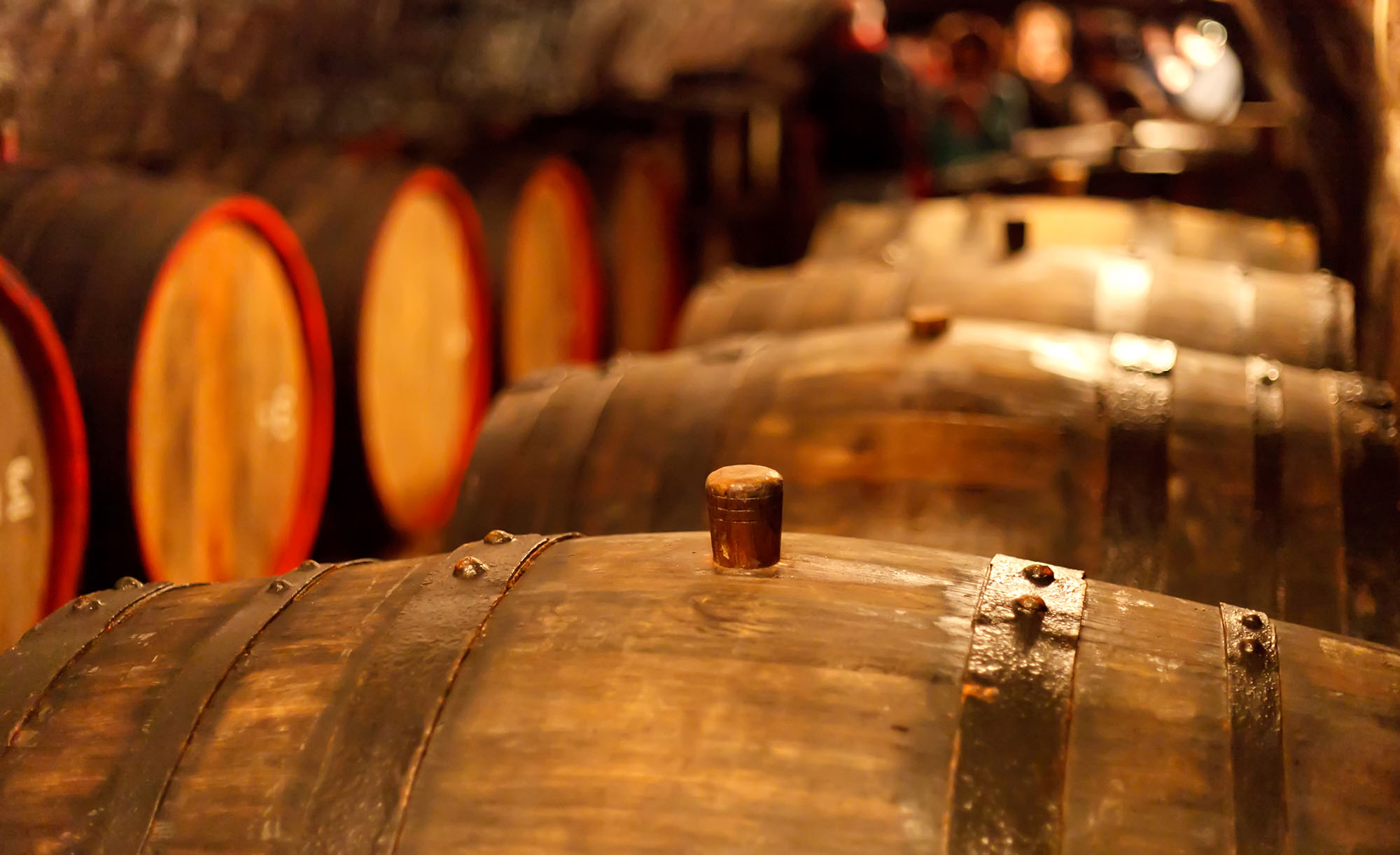
The aging of wine is potentially able to improve the quality of wine. This distinguishes wine from most other consumable goods. While wine is perishable and capable of deteriorating, complex chemical reactions involving a wine’s sugars, acids and phenolic compounds (such as tannins) can alter the aroma, color, mouthfeel and taste of the wine in a way that may be more pleasing to the taster. The ability of a wine to age is influenced by many factors including grape variety, vintage, viticultural practices, wine region and winemaking style. The condition that the wine is kept in after bottling can also influence how well a wine ages and may require significant time and financial investment. The quality of an aged wine depends significantly bottle-by-bottle, depending on the conditions under which it was stored, and the condition of the bottle and cork, and thus it is said that rather than good old vintages, there are good old bottles. There is a significant mystique around the aging of wine, as its chemistry was not understood for a long time, and old wines are often sold for extraordinary prices. However, the vast majority of wine is not aged, and even wine that is aged is rarely aged for long; it is estimated that 90% of wine is meant to be consumed within a year of production, and 99% of wine within 5 years.

There is a widespread misconception that wine always improves with age, or that wine improves with extended aging, or that aging potential is an indicator of good wine. Some authorities state that more wine is consumed too old than too young. Aging changes wine, but does not categorically improve it or worsen it.

Fruitness deteriorates rapidly, decreasing markedly after only 6 months in the bottle. Due to the cost of storage, it is not economical to age cheap wines, but many varieties of wine do not benefit from aging, regardless of the quality. Experts vary on precise numbers, but typically state that only 5–10% of wine improve after 1 year, and only 1% of wine improves after 5–10 years. In general, wines with a low pH (such as Pinot Noir and Sangiovese) have a greater capability of aging. With red wines, a high level of flavor compounds, such as phenolics (most notably tannins), will increase the likelihood that a wine will be able to age. Wines with high levels of phenols include Cabernet Sauvignon, Nebbiolo and Syrah. The white wines with the longest aging potential tend to be those with a high amount of extract and acidity. The acidity in white wines, acting as a preservative, has a role similar to that of tannins in red wines. The process of making white wines, which includes little to no skin contact, means that white wines have a significantly lower amount of phenolic compounds, though barrel fermentation and oak aging can impart some phenols. Similarly, the minimal skin contact with rosé wine limits their aging potential.

After aging at the winery most wood-aged Ports, Sherries, Vins doux naturels, Vins de liqueur, basic level Ice wines and sparkling wines are bottled when the producer feels that they are ready to be consumed. These wines are ready to drink upon release and will not benefit much from aging. Vintage Ports and other bottled-aged Ports & Sherries will benefit from some additional aging.

Champagne and other sparkling wines are infrequently aged, and frequently have no vintage year (no vintage, NV), but vintage champagne may be aged. Aged champagne has traditionally been a peculiarly British affectation, and thus has been referred to as le goût anglais “the English taste”, though this term also refers to a level of champagne sweetness. In principle champagne has aging potential, due to the acidity, and aged champagne has increased in popularity in the United States since the 1996 vintage. A few French winemakers have advocated aging champagne, most notably René Collard (1921–2009). In 2009, a 184-year-old bottle of Perrier-Jouët was opened and tasted, still drinkable, with notes of “truffles and caramel”, according to the experts.

Does Wine Age Matter?

The aging of wine is potentially able to improve the quality of wine. This distinguishes wine from most other consumable goods. While wine is perishable and capable of deteriorating, complex chemical reactions involving a wine’s sugars, acids and phenolic compounds (such as tannins) can alter the aroma, color, mouthfeel and taste of the wine in a way that may be more pleasing to the taster. The ability of a wine to age is influenced by many factors including grape variety, vintage, viticultural practices, wine region and winemaking style. The condition that the wine is kept in after bottling can also influence how well a wine ages and may require significant time and financial investment. The quality of an aged wine depends significantly bottle-by-bottle, depending on the conditions under which it was stored, and the condition of the bottle and cork, and thus it is said that rather than good old vintages, there are good old bottles. There is a significant mystique around the aging of wine, as its chemistry was not understood for a long time, and old wines are often sold for extraordinary prices. However, the vast majority of wine is not aged, and even wine that is aged is rarely aged for long; it is estimated that 90% of wine is meant to be consumed within a year of production, and 99% of wine within 5 years.

There is a widespread misconception that wine always improves with age, or that wine improves with extended aging, or that aging potential is an indicator of good wine. Some authorities state that more wine is consumed too old than too young. Aging changes wine, but does not categorically improve it or worsen it.

Fruitness deteriorates rapidly, decreasing markedly after only 6 months in the bottle. Due to the cost of storage, it is not economical to age cheap wines, but many varieties of wine do not benefit from aging, regardless of the quality. Experts vary on precise numbers, but typically state that only 5–10% of wine improve after 1 year, and only 1% of wine improves after 5–10 years. In general, wines with a low pH (such as Pinot Noir and Sangiovese) have a greater capability of aging. With red wines, a high level of flavor compounds, such as phenolics (most notably tannins), will increase the likelihood that a wine will be able to age. Wines with high levels of phenols include Cabernet Sauvignon, Nebbiolo and Syrah. The white wines with the longest aging potential tend to be those with a high amount of extract and acidity. The acidity in white wines, acting as a preservative, has a role similar to that of tannins in red wines. The process of making white wines, which includes little to no skin contact, means that white wines have a significantly lower amount of phenolic compounds, though barrel fermentation and oak aging can impart some phenols. Similarly, the minimal skin contact with rosé wine limits their aging potential.

After aging at the winery most wood-aged Ports, Sherries, Vins doux naturels, Vins de liqueur, basic level Ice wines and sparkling wines are bottled when the producer feels that they are ready to be consumed. These wines are ready to drink upon release and will not benefit much from aging. Vintage Ports and other bottled-aged Ports & Sherries will benefit from some additional aging.

Champagne and other sparkling wines are infrequently aged, and frequently have no vintage year (no vintage, NV), but vintage champagne may be aged. Aged champagne has traditionally been a peculiarly British affectation, and thus has been referred to as le goût anglais “the English taste”, though this term also refers to a level of champagne sweetness. In principle champagne has aging potential, due to the acidity, and aged champagne has increased in popularity in the United States since the 1996 vintage. A few French winemakers have advocated aging champagne, most notably René Collard (1921–2009). In 2009, a 184-year-old bottle of Perrier-Jouët was opened and tasted, still drinkable, with notes of “truffles and caramel”, according to the experts.

Our Key Principles

[trx_section align=”center” dedicated=”no” scroll=”no” dir=”horizontal” style=”text-align:center”]
[trx_title type=”1″ align=”center”]How We Craft Our Wine[/trx_title]

We adhere to these four principles for you to be our returning customer

[trx_columns indent=”no” columns=”4″ top=”70″ bottom=”70″]
[trx_column_item][trx_icon icon=”icon-wine1″ color=”#000″ box_style=”circle” bg_color=”#f8f6ee” size=”90″ link=”#” align=”center”]Organically Grown Grapes[/trx_column_item]
[trx_column_item][trx_icon icon=”icon-wine2″ color=”#000″ box_style=”circle” bg_color=”#f8f6ee” size=”90″ link=”#” align=”center”]Sustainably Farmed[/trx_column_item]
[trx_column_item][trx_icon icon=”icon-wine3″ color=”#000″ box_style=”circle” bg_color=”#f8f6ee” size=”90″ link=”#” align=”center”]Creating Vital Products[/trx_column_item]
[trx_column_item][trx_icon icon=”icon-wine4″ color=”#000″ box_style=”circle” bg_color=”#f8f6ee” size=”90″ link=”#” align=”center”]Fabulous Taste[/trx_column_item]
[/trx_columns]
[trx_button skin=”dark” style=”bg” size=”big” fullsize=”no” align=”center” link=”http://wine.themerex.net/contact/” target=”no” popup=”no” text=”Contact us”]
[/trx_section]
Read more

Lesson In Wines

[trx_dropcaps style=”1″]Wine is usually made from one or more varieties of the European species Vitis vinifera, such as Pinot noir, Chardonnay, Cabernet Sauvignon, Gamay and Merlot. When one of these varieties is used as the predominant grape (usually defined by law as minimums of 75% to 85%), the result is a “varietal” as opposed to a “blended” wine. Blended wines are not considered inferior to varietal wines, rather they are a different style of winemaking; some of the world’s most highly regarded wines, from regions like Bordeaux and the Rhone Valley, are blended from different grape varieties. Wine can also be made from other species of grape or from hybrids, created by the genetic crossing of two species. V. labrusca (of which the Concord grape is a cultivar), V. aestivalis, V. ruprestris, V. rotundifolia and V. riparia are native North American grapes usually grown to eat fresh or for grape juice, jam, or jelly, and only occasionally made into wine.[/trx_dropcaps]

Hybridization is different from grafting. Most of the world’s vineyards are planted with European V. vinifera vines that have been grafted onto North American species’ rootstock, a common practice due to their resistance to phylloxera, a root louse that eventually kills the vine. In the late 19th century, most of Europe’s vineyards (excluding some of the driest in the south) were devastated by the infestation, leading to widespread vine deaths and eventual replanting.

Grafting is done in every wine-producing region in the world except in Argentina, the Canary Islands and Chile—the only places not yet exposed to the insect. In the context of wine production, terroir is a concept that encompasses the varieties of grapes used, elevation and shape of the vineyard, type and chemistry of soil, climate and seasonal conditions, and the local yeast cultures. The range of possible combinations of these factors can result in great differences among wines, influencing the fermentation, finishing, and aging processes as well.

Many wineries use growing and production methods that preserve or accentuate the aroma and taste influences of their unique terroir. However, flavor differences are less desirable for producers of mass-market table wine or other cheaper wines, where consistency takes precedence. Such producers try to minimize differences in sources of grapes through production techniques such as micro-oxygenation, tannin filtration, cross-flow filtration, thin-film evaporation, and spinning cones. Regulations govern the classification and sale of wine in many regions of the world. European wines tend to be classified by region (e.g. Bordeaux, Rioja and Chianti), while non-European wines are most often classified by grape (e.g. Pinot noir and Merlot). Market recognition of particular regions has recently been leading to their increased prominence on non-European wine labels. Examples of recognized non-European locales include Napa Valley, Santa Clara Valley and Sonoma Valley in California; Willamette Valley in Oregon; Columbia Valley in Washington; Barossa Valley in South Australia and Hunter Valley in New South Wales; Luján de Cuyo in Argentina; Central Valley in Chile; Vale dos Vinhedos in Brazil; Hawke’s Bay and Marlborough in New Zealand; and Okanagan Valley and Niagara Peninsula in Canada.

Commited to Crafting the Best

Wine House does its best to ensure that each of their clients gets exceptional assistance. Our team is attentive to our customers, and we work hard to make sure you receive the premium quality product. Welcome to our website for exchanging information and points of view on our wine, as

We have been crafting wine with love to our customers for years, so that you are not disappointed with our products.

The quality of Wine House’s wines has always been based on a commitment to selecting the finest fruit. Whether carefully sourcing grapes from top sites in the region or committing itself to estate vineyards, the winery was built on the belief that great wines begin in the vineyard.

10 Wine Essentials

During the primary fermentation, the yeast cells feed on the sugars in the must and multiply, producing carbon dioxide gas and alcohol. The temperature during the fermentation affects both the taste of the end product, as well as the speed of the fermentation. For red wines, the temperature is typically 22 to 25 °C, and for white wines 15 to 18 °C. For every gram of sugar that is converted, about half a gram of alcohol is produced, so to achieve a 12% alcohol concentration, the must should contain about 24% sugars. The sugar percentage of the must is calculated from the measured density, the must weight, with the help of a specialized type of hydrometer called a saccharometer. If the sugar content of the grapes is too low to obtain the desired alcohol percentage, sugar can be added (chaptalization). In commercial winemaking, chaptalization is subject to local regulations. Alcohol of more than 12% can be achieved by using yeast that can withstand high alcohol. Some yeasts can produce 18% alcohol in the wine however extra sugar is added to produce a high alcohol content. During or after the alcoholic fermentation, a secondary, or malolactic fermentation can also take place, during which specific strains of bacteria (lactobacter) convert malic acid into the milder lactic acid. This fermentation is often initiated by inoculation with desired bacteria.

Pressing is the act of applying pressure to grapes or pomace in order to separate juice or wine from grapes and grape skins. Pressing is not always a necessary act in winemaking; if grapes are crushed there is a considerable amount of juice immediately liberated (called free-run juice) that can be used for vinification. Typically this free-run juice is of a higher quality than the press juice.

However, most wineries do use presses in order to increase their production (gallons) per ton, as pressed juice can represent between 15%-30% of the total juice volume from the grape. Presses act by positioning the grape skins or whole grape clusters between a rigid surface and a moveable surface and slowly decrease the volume between the two surfaces. Modern presses dictate the duration and pressure at each press cycle, usually ramping from 0 Bar to 2.0 Bar. Sometimes winemakers choose pressures which separate the streams of pressed juice, called making “press cuts.” As the pressure increases the amount of tannin extracted from the skins into the juice increases, often rendering the pressed juice excessively tannic or harsh. Because of the location of grape juice constituents in the berry (water and acid are found primarily in the mesocarp or pulp, whereas tannins are found primarily in the exocarp, or skin, and seeds), pressed juice or wine tends to be lower in acidity with a higher pH than the free-run juice.

The Two Faces of Prosecco

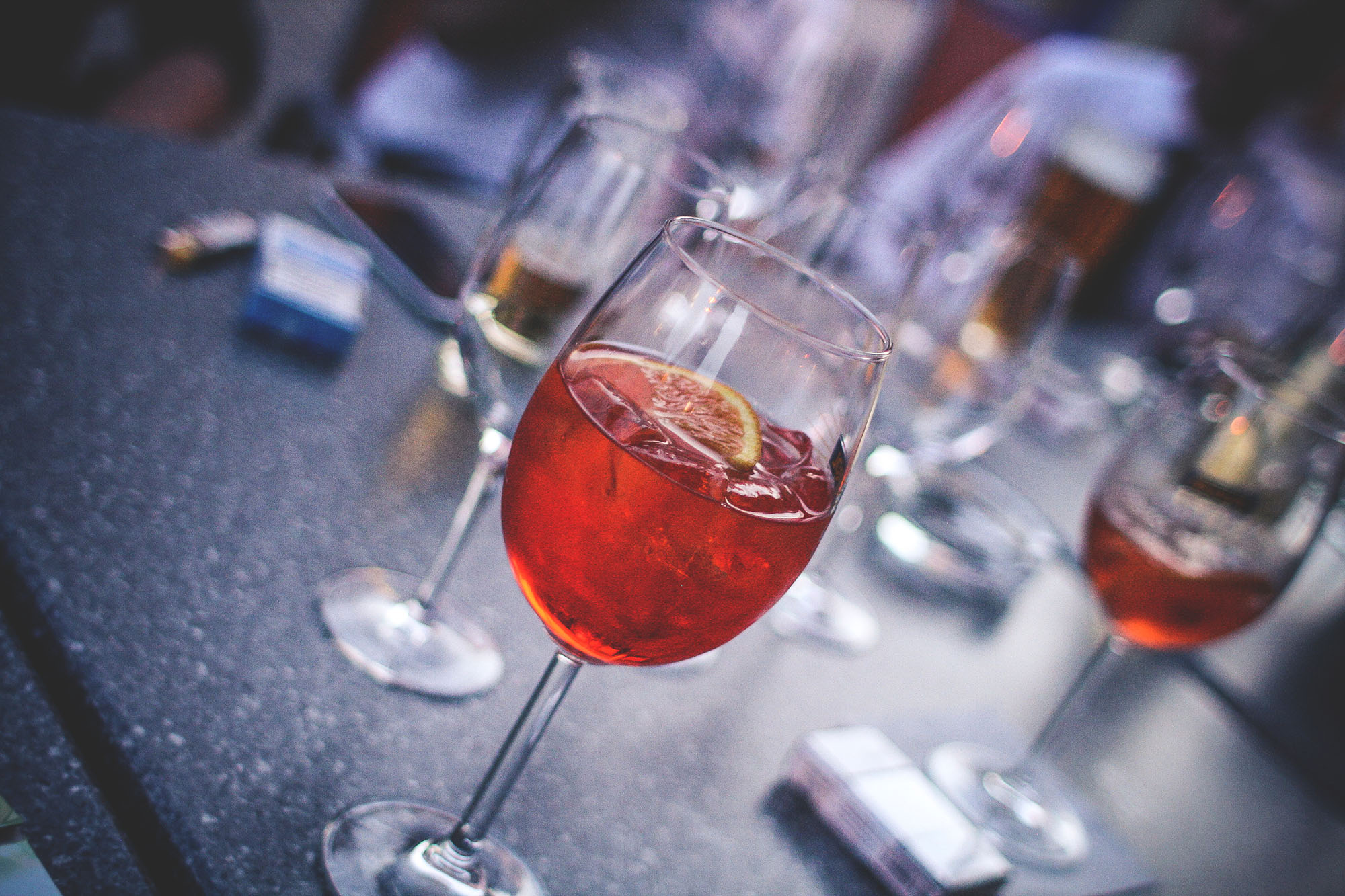
Prosecco is an Italian sparkling white wine, generally a dry or extra dry wine. It is made from Glera grapes, formerly known also as “Prosecco”, but other grape varieties such as Bianchetta Trevigiana may be included. The name is derived from that of the Italian village of Prosecco near Trieste, where the grape may have originated. DOC Prosecco is produced in the regions of Veneto and Friuli Venezia Giulia, traditionally mainly around Conegliano and Valdobbiadene, in the hills north of Treviso. Prosecco is the main ingredient of the Bellini cocktail and can be a less expensive substitute for Champagne.

Unlike Champagne, its main commercial competitor, Prosecco usually is produced using the Charmat method, in which the secondary fermentation takes place in stainless steel tanks, making the wine less expensive to produce. The rules for the DOCG Prosecco Valdobbiadene also allow the use of the Metodo Classico: secondary fermentation in the bottle.

Approximately 150 million bottles of Italian Prosecco are produced annually. As of 2008, 60 percent of all Prosecco is made in the Conegliano and Valdobbiadene area. Production there amounted to €370 million in 2007. Since the 2000s, Glera (Prosecco) grapes also are cultivated and wine from the grapes is produced in other countries including Brazil, Romania, Argentina, and Australia.

In the region of Conegliano and Valdobbiadene there are more than 150 producers and they form together the Consortium for the Protection of Prosecco from Conegliano and Valdobbiadene (Consorzio per la Tutela del Prosecco di Conegliano e Valdobbiadene). Prosecco is produced mainly as a sparkling wine in either the fully sparkling (spumante) or lightly sparkling (frizzante, gentile) varieties. Prosecco spumante, which has undergone a full secondary fermentation, is the more expensive variant. The sparkling variants may contain some Pinot bianco or Pinot grigio wine. Depending on their sweetness, in accordance with the EU Sweetness of wine Regulations for Terms used to indicate sweetness of sparkling wine, Proseccos are labelled “Brut” (up to 12 grams per litre of residual sugar), “Extra Dry” (12–17 g/l) or “Dry” (17–32 g/l).

A still wine (calmo or tranquillo) also is made from Glera grapes – it amounts to only about five percent of production, but this wine is rarely exported. Wines from the traditional Conegliano–Valdobbiadene production area are labeled as “Prosecco di Conegliano-Valdobbiadene”, “Prosecco di Conegliano”, “Prosecco di Valdobbiadene”, or “Prosecco DOC” from Friuli. Proseccos labeled with another, non-protected designation, such as “IGT-Veneto”, are generally cheaper and of a more varied quality.

The hill of Cartizze is a 1,000-foot-high vineyard of 107 hectares (260 acres) of vines, owned by 140 growers. The Prosecco from its grapes, of which comparatively little is produced, is widely considered to be of the highest quality, or even the “Grand Cru” of Prosecco. Accordingly, a hectare of Cartizze grape land is estimated to be worth in excess of one million US dollars. According to a local legend, Cartizze grapes traditionally were harvested last, as the vines were situated on steep slopes and hard to reach, which made vintners discover that this extended ripening period improved the flavour. Nonetheless, in a blind tasting at the 2006 Vinitaly trade fair, Cartizze spumanti were ranked consistently behind “normal” Prosecco.

Wine From a Sacred Place

Viticulture has existed in the land of Israel since biblical times. In the book of Deuteronomy, the fruit of the vine was listed as one of the seven blessed species of fruit found in the land of Israel(Deut. 8:8). The location of Israel along a historic wine trading route between Mesopotamia and Egypt brought winemaking knowledge and influence to the area. Wine played a significant role in the religion of the early Israelites with images of grape growing, harvesting and winemaking often being used to illustrate religious ideals. In Roman times, wine from Israel was exported to Rome with the most sought after wines being vintage, dated with the name of the winemaker inscribed on the amphora. In the 7th century, the Islamic conquest of the Middle East virtually wiped out the region’s wine industry with wineries closing down and vineyards, planted with now lost indigenous grape varieties, pulled out. Winemaking was temporarily revived in the Crusader states from around 1100 to 1300 but the return of Islamic rule and the subsequent Jewish Diaspora extinguished the industry once again.

Annually from 2005 to 2012 Daniel Rogov, Israel’s leading wine critic and Food & Wine Critic for Haaretz, ranked Israeli wines in his Rogov’s Guide to Israeli Wines. In the 2012 edition, Rogov describes, sorts and ranks more than 2500 wines from over 150 Israeli wineries. Today Israeli wineries receive recognition from the worldwide wine industry as they are highly rated and win the most important wine rewards. One of the first accomplishments by an Israeli winery in the global world of wines was made by Domaine du Castel when their white wine was chosen as one of the best new releases in 2001. In 2012, Golan Heights winery received the prestigious ‘Wine Star’ award of the ‘Wine Enthusiast’ known magazine. The Golan Heights winery has also won the ‘Gran Vinitaly Special Award as the best wine producer ‘ title in Vinitaly competition of 2011.

The wine advocate, Mr, Robert Parker has been rating Israel’s wines for more than five years now, when many Israeli wines received a score of more than 90. Yatir Forest wine by Yatir winery was granted more than 90 points for seven vintages in a row, the same accomplishment made by Domaine du Castel’s Grand Vin wine. The Cabernet reserve of Flam winery of the Judean hills, was included in the important ‘ La Revue Du Vin France’ French magazinelist of 100 outstanding wines.

Galil Mountain winery won two awards in the ‘Citadelles du Vin 2011’ competition which was held at the Vinexpo 2011 in France. In Hugh Johnson’s wine pocket book, written by the British important wine critic, Domaine du Castel winery received the full 4 stars and Yatir winery 3-4 stars, the highest rating available, since 2008. Hugh Johnson has also selected Domaine du Castel’s Grand Vin wine to be one of his personal 200 favorite wines from all around the world. Israel’s reds, whites and rosés also have been praised by Robert Parker and Oz Clarke. When Parker first reviewed Israeli wines in 2007, he awarded 14 of them more than 90 out of a maximum 100 points, rating them world-class. Clarke included two Israeli wineries, Domaine du Castel and Yatir Winery, in his Pocket Wine Book 2010. Kim Marcus, managing editor of Wine Spectator magazine, was not impressed by Israel’s wineries in the 1990s, but in 2008, he wrote that quality had improved immensely, especially the red wines.