Wines of the Times

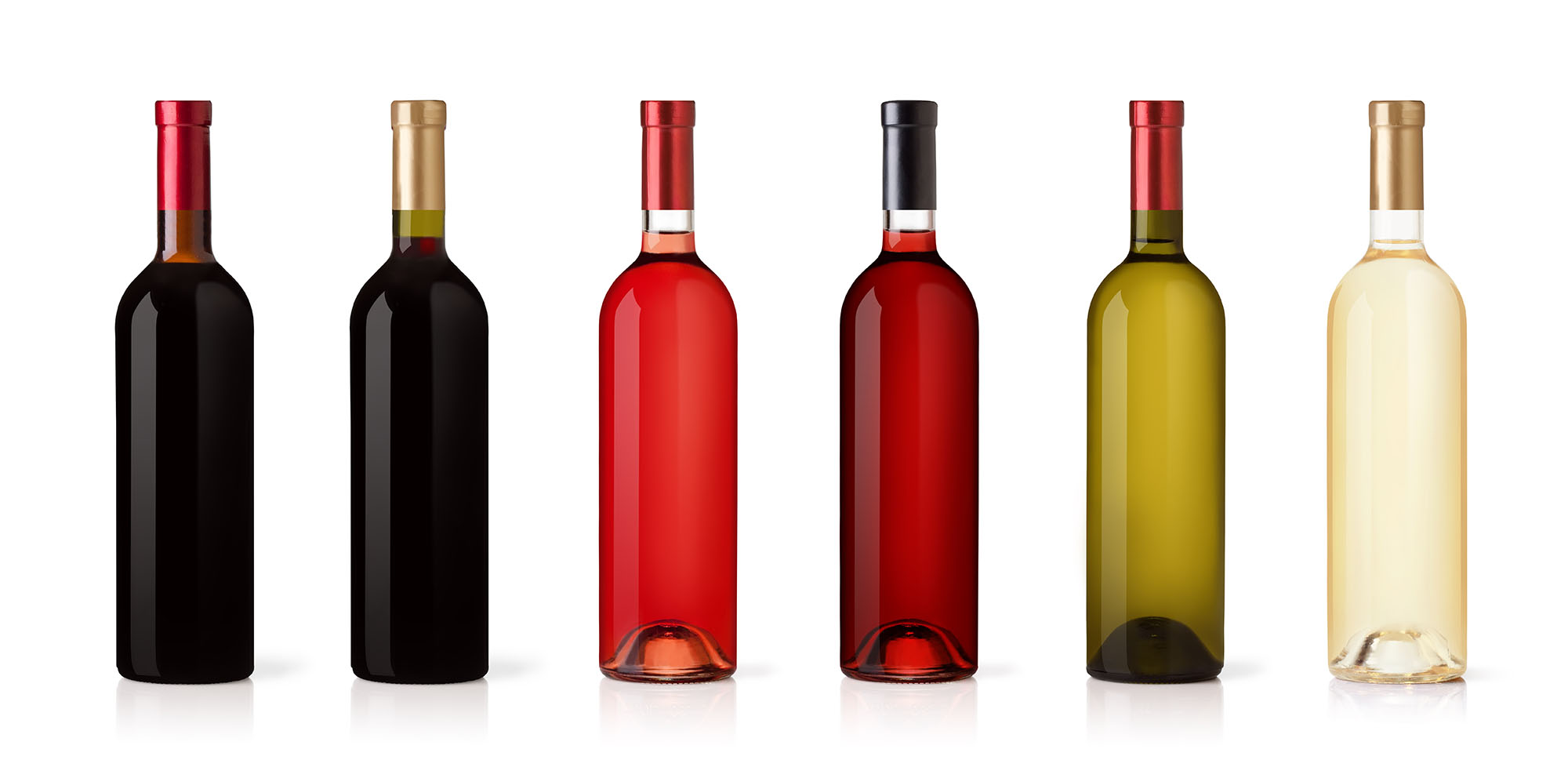
Regulations govern the classification and sale of wine in many regions of the world. European wines tend to be classified by region (e.g. Bordeaux, Rioja and Chianti), while non-European wines are most often classified by grape (e.g. Pinot noir and Merlot). Market recognition of particular regions has recently been leading to their increased prominence on non-European wine labels. Examples of recognized non-European locales include Napa Valley, Santa Clara Valley and Sonoma Valley in California; Willamette Valley in Oregon; Columbia Valley in Washington; Barossa Valley in South Australia and Hunter Valley in New South Wales; Luján de Cuyo in Argentina; Central Valley in Chile; Vale dos Vinhedos in Brazil; Hawke’s Bay and Marlborough in New Zealand; and Okanagan Valley and Niagara Peninsula in Canada.


Some blended wine names are marketing terms whose use is governed by trademark law rather than by specific wine laws. For example, Meritage (sounds like “heritage”) is generally a Bordeaux-style blend of Cabernet Sauvignon and Merlot, but may also include Cabernet Franc, Petit Verdot, and Malbec. Commercial use of the term Meritage is allowed only via licensing agreements with the Meritage Association.

France has various appellation systems based on the concept of terroir, with classifications ranging from Vin de Table (“table wine”) at the bottom, through Vin de Pays and Appellation d’Origine Vin Délimité de Qualité Supérieure (AOVDQS), up to Appellation d’Origine Contrôlée (AOC) or similar, depending on the region. Portugal has developed a system resembling that of France and, in fact, pioneered this concept in 1756 with a royal charter creating the Demarcated Douro Region and regulating the production and trade of wine. Germany created a similar scheme in 2002, although it has not yet achieved the authority of the other countries’ classification systems. Spain, Greece and Italy have classifications based on a dual system of region of origin and product quality.
[trx_slider engine=”swiper” theme=”dark” count=”3″ offset=”0″ orderby=”date” controls=”yes” pagination=”yes” titles=”no” links=”yes” height=”500″]
[trx_slider_item src=”http://wine.themerex.net/wp-content/uploads/2014/02/picjumbo.com_IMG_7779.jpg” theme=”dark”]
[trx_slider_item src=”http://wine.themerex.net/wp-content/uploads/2014/09/kaboompics.com_Lunch-table-salad.jpg” theme=”dark”]
[trx_slider_item src=”http://wine.themerex.net/wp-content/uploads/2014/10/kaboompics.com_Beautifully-served-table-for-dinner.jpg” theme=”dark”]
[/trx_slider]

In the United States, for a wine to be vintage-dated and labeled with a country of origin or American Viticultural Area (AVA) (e.g. Sonoma Valley), 95% of its volume must be from grapes harvested in that year. If a wine is not labeled with a country of origin or AVA the percentage requirement is lowered to 85%. Vintage wines are generally bottled in a single batch so that each bottle will have a similar taste. Climate’s impact on the character of a wine can be significant enough to cause different vintages from the same vineyard to vary dramatically in flavor and quality. Thus, vintage wines are produced to be individually characteristic of the particular vintage and to serve as the flagship wines of the producer. Superior vintages from reputable producers and regions will often command much higher prices than their average ones. Some vintage wines (e.g. Brunello), are only made in better-than-average years. For consistency, non-vintage wines can be blended from more than one vintage, which helps winemakers sustain a reliable market image and maintain sales even in bad years. One recent study suggests that for the average wine drinker, the vintage year may not be as significant for perceived quality as had been thought, although wine connoisseurs continue to place great importance on it.
The Power of Bordeaux

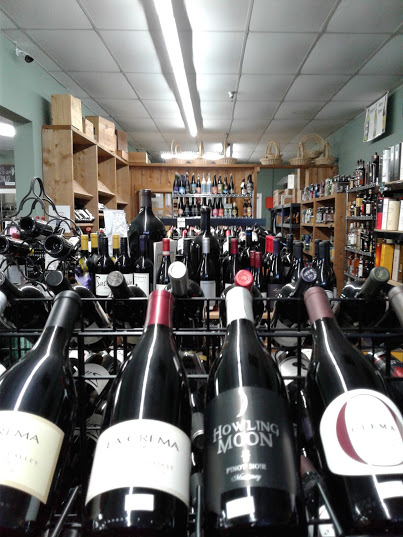
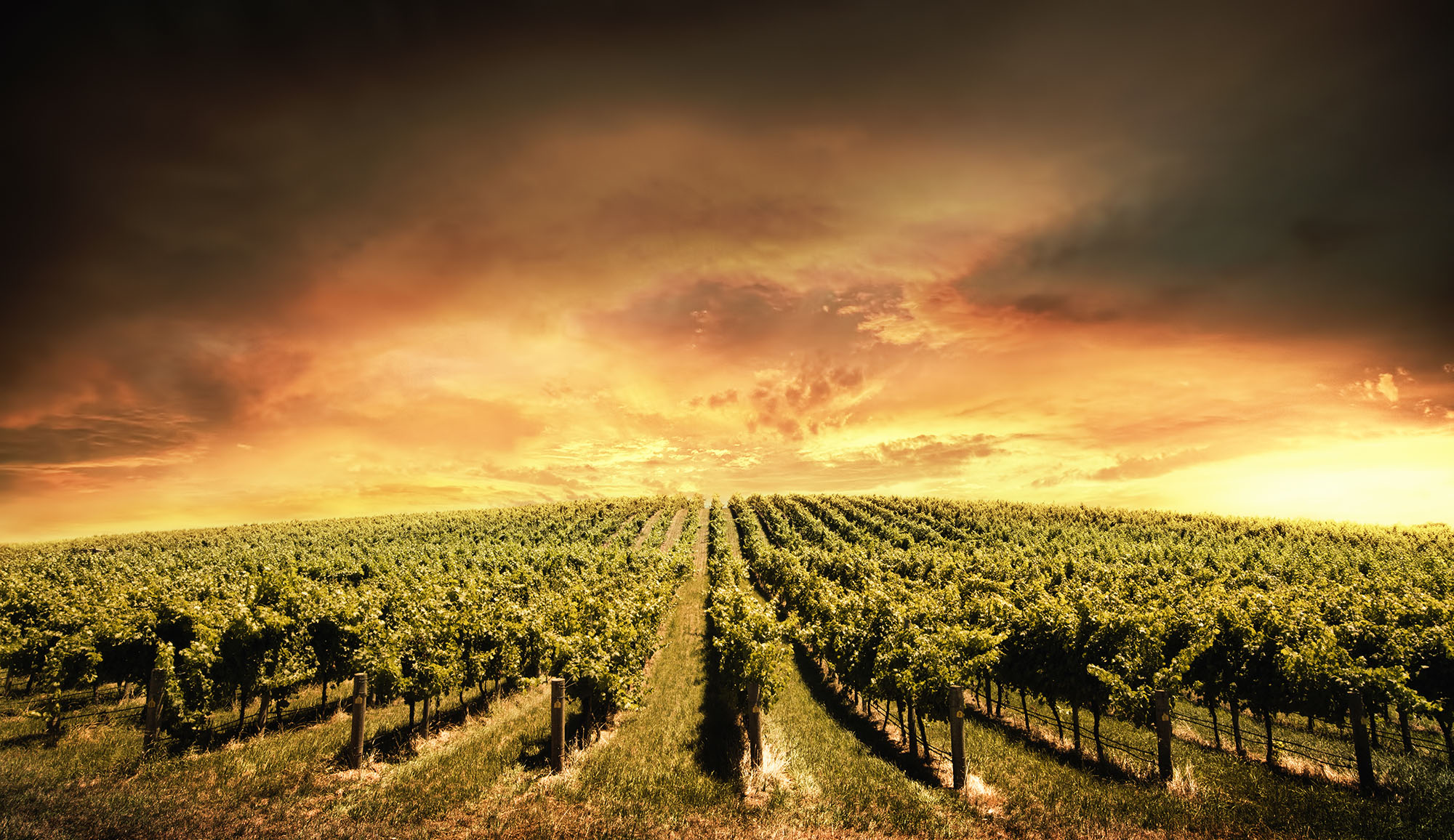
A Bordeaux wine is any wine produced in the Bordeaux region of France, centred on the city of Bordeaux and covering the whole area of the Gironde department, with a total vineyard area of over 120,000 hectares, making it the largest wine growing area in France. Average vintages produce over 700 million bottles of Bordeaux wine, ranging from large quantities of everyday table wine, to some of the most expensive and prestigious wines in the world. Eighty-nine percent of wine produced in Bordeaux is red (called “claret” in Britain), with sweet white wines (most notably Sauternes), dry whites, and also (in much smaller quantities) rosé and sparkling wines (Crémant de Bordeaux) collectively making up the remainder. Bordeaux wine is made by more than 8,500 producers or châteaux. There are 54 appellations of Bordeaux wine.

The vine was introduced to the Bordeaux region by the Romans, probably in the mid-1st century, to provide wine for local consumption, and wine production has been continuous in the region since then.

In the 12th century, the popularity of Bordeaux wines in England increased dramatically following the marriage of Henry Plantagenet and Eleanor of Aquitaine. The marriage made the province of Aquitaine part of the Angevin Empire, and thenceforth the wine of Bordeaux was exported to England. At this time, Graves was the principal wine region of Bordeaux, and the principal style was clairet. This accounts for the ubiquity of claret in England. The export of Bordeaux was interrupted by the outbreak of the Hundred Years’ War between France and England in 1337. By the end of the conflict in 1453 France had repossessed the province, thus taking control of wine production in the region.

In the seventeenth century, Dutch traders drained the swampy ground of the Médoc in order that it could be planted with vines, and this gradually surpassed Graves as the most prestigious region of Bordeaux. Malbec was dominant grape here, until the early 19th century, when it was replaced by Cabernet Sauvignon.

In 1855, the châteaux of Bordeaux were classified; this classification remains widely used today. From 1875–1892 almost all Bordeaux vineyards were ruined by Phylloxera infestations. The region’s wine industry was rescued by grafting native vines on to pest-resistant American rootstock. Red Bordeaux is generally made from a blend of grapes. Permitted grapes are Cabernet Sauvignon, Cabernet Franc, Merlot, Petit Verdot, Malbec and rarely Carménère. Today Carménère is rarely used, with Château Clerc Milon, a fifth growth Bordeaux, being one of the few to still retain Carménère vines.

Truth In a Bottle

[trx_dropcaps style=”1″]Whether the wine is aging in tanks or barrels, tests are run periodically in a laboratory to check the status of the wine. Common tests include °Brix, pH, titratable acidity, residual sugar, free or available sulfur, total sulfur, volatile acidity and percent alcohol. Additional tests include those for the crystallization of cream of tartar (potassium hydrogen tartrate) and the precipitation of heat unstable protein; this last test is limited to white wines. These tests may be performed throughout the making of the wine as well as prior to bottling. In response to the results of these tests, a winemaker can decide on appropriate remedial action, for example the addition of more sulfur dioxide. Sensory tests will also be performed and again in response to these a winemaker may take remedial action such as the addition of a protein to soften the taste of the wine.[/trx_dropcaps]

Brix is one measure of the soluble solids in the grape juice and represents not only the sugars but also includes many other soluble substances such as salts, acids and tannins, sometimes called Total Soluble Solids (TSS).

Because sugar is the dominant compound in grape juice, these units are effectively a measure of sugar level. The level of sugar in the grapes determines the final alcohol content of the wine as well as indirect index of grape maturity. Brix (Bx for short) is measured in grams per hundred grams of solution, so 20 Bx means that 100 grams of juice contains 20gm of dissolved compounds. There are other common measures of sugar content of grapes, Specific gravity, Oechsle (Germany) and Beaume (France). In the French Baumé (Be° or Bé° for short) one Be° corresponds approximately to one percent alcohol. One Be° is equal to 1.8 Brix, that is 1.8 grams of sugar per one hundred grams. Therefore, to achieve one percent alcohol the winemaker adds 1.8 grams per 100 ml or 18 grams per liter — a practice known as chaptalization, which is illegal in some countries and in California. Brix is usually measured with a refractometer while the other methods use a hydrometer. Generally, hydrometers are a cheaper alternative.

Volatile acidity test verifies if there is any steam distillable acids in the wine. Mainly present is acetic acid (the dominant component of vinegar), but lactic, butyric, propionic, and formic acid can also be found. Usually the test checks for these acids in a cash still, but there are other methods available such as HPLC, gas chromatography and enzymatic methods. The amount of volatile acidity found in sound grapes is negligible, because it is a by-product of microbial metabolism. Because acetic acid bacteria require oxygen to grow, eliminating any air in wine containers as well as addition of sulfur dioxide will limit their growth. Rejecting moldy grapes also prevents possible problems associated with acetic acid bacteria. Use of sulfur dioxide and inoculation with a low-V.A. producing strain of Saccharomyces may deter acetic acid producing yeast. A relatively new method for removal of volatile acidity from a wine is reverse osmosis. Blending may also help—a wine with high V.A. can be filtered (to remove the microbe responsible) and blended with a low V.A. wine, so that the acetic acid level is below the sensory threshold.

We Craft Good Things

[trx_video url=”https://www.youtube.com/watch?v=69iT7IOYQFc” autoplay=”off” title=”Pouring Wine into a Glass” image=”http://wine.themerex.net/wp-content/uploads/2014/04/bigstock-healthy-green-grass-pattern-42318229-e1412335988835.jpg”]
Temporibus laudantium sunt repellat unde! Aspernatur sed atque porro placeat ipsam ducimus nisi nostrum impedit labore, facilis possimus, nobis dolorem dolore id, suscipit hic, molestias praesentium voluptatem quos ad libero officiis quasi consequuntur laboriosam. Aliquid, optio ipsa dolore sapiente laudantium accusantium omnis veritatis ad, nulla vero eaque nisi quibusdam officiis iste ullam dolorem voluptas iure architecto repellat recusandae corporis harum.
Illum temporibus. Fuga quo dolores minima error, reiciendis ullam beatae sint incidunt! Vel sapiente, repellat non magnam nostrum laboriosam ducimus reiciendis tempora nam maxime officiis fugit omnis. Aspernatur quia dicta necessitatibus sequi corporis pariatur iusto nam cum officia fugiat quod cupiditate, dolores aliquam, reprehenderit vel eos et harum saepe dolore cumque, inventore totam voluptatem beatae. Libero quia, nam eius ducimus atque corporis eveniet, nemo praesentium, porro, animi quo amet! Eius, laudantium, odit. Ducimus eveniet aperiam perferendis culpa fuga distinctio eaque dolore natus neque praesentium quis voluptate labore, nemo earum eius dolor nam? Numquam, reiciendis voluptatum odio minus! Laudantium perspiciatis obcaecati ullam ex quam nihil ab, maxime fugit a dolorem.

Magnam ipsam iste excepturi dolorem, voluptas illum eligendi libero! Amet accusantium quaerat ipsa nemo deserunt eveniet, voluptates aliquid expedita soluta eius voluptatum sed natus reprehenderit saepe ipsam rerum sequi a ea impedit pariatur quo. Nemo cupiditate dolore, laborum nisi molestiae quos ab laudantium id ipsa pariatur sequi earum ipsum, ullam, recusandae placeat, expedita quidem fugiat? Labore, animi, alias! Mollitia inventore similique et distinctio totam quos aliquam dolore quae doloremque soluta velit commodi quasi tempora adipisci asperiores cum est, accusantium corrupti autem nam provident debitis culpa laboriosam?

Temporibus laudantium sunt repellat unde! Aspernatur sed atque porro placeat ipsam ducimus nisi nostrum impedit labore, facilis possimus, nobis dolorem dolore id, suscipit hic, molestias praesentium voluptatem quos ad libero officiis quasi consequuntur laboriosam. Aliquid, optio ipsa dolore sapiente laudantium accusantium omnis veritatis ad, nulla vero eaque nisi quibusdam officiis iste ullam dolorem voluptas iure architecto repellat recusandae corporis harum. Deserunt quae necessitatibus vel deleniti iure delectus animi labore in voluptate veritatis eveniet neque natus, reiciendis atque magnam, sit voluptas autem dolor tempora quod ullam, numquam vero alias ipsa. Ab placeat nihil voluptate, corporis velit aperiam, earum sed optio natus laboriosam ullam veniam? Non id laborum assumenda nihil optio doloribus, tenetur odio, excepturi voluptatum expedita nam quibusdam voluptate animi. Dignissimos nulla, asperiores nesciunt minus, explicabo voluptatum ipsum velit illum tempora quae. Fuga corrupti autem quaerat dolore doloremque officiis, iste repudiandae inventore repellendus ad quam, laborum facilis deleniti quasi vero beatae magni, quas nobis nisi ipsum! Temporibus in neque labore beatae nostrum veniam, perspiciatis repudiandae voluptas ad sunt rem nam corporis ut quae maiores harum a. Iste vitae quod pariatur officia, veritatis velit commodi impedit, in, vel ex tenetur, excepturi reprehenderit asperiores. Culpa ducimus magnam deserunt temporibus assumenda animi in quo, odit nam, velit maiores vero! Perspiciatis labore odio facilis quo, omnis atque reprehenderit.

From Sweet to Brut. Short History of Champagne

The roots of the modern Champagne industry were laid during the Industrial Revolution which saw vast leaps in understanding the method of making sparkling wine and improvements in the technology needed to make production more financially feasible. The French scientist Jean-Antoine Chaptal popularized the understanding that Champagne sparkled because it was sealed in a bottle before fermentation was complete. He further noted that it was the sugar in the wine that facilitated this fermentation process resulting in bubbles. Along with the bubbles came intense pressure from the carbon dioxide gas that could result in the bottles exploding. The disturbance caused by one bottle’s disintegration could cause a chain reaction, with it being routine for cellars to lose 20–90% of their bottles to instability. The British method of coal fired glassmaking contributed to stronger wine bottles being available that could withstand the pressure of the carbon dioxide gas better. In the 1830s, a pharmacist from Châlons-sur-Marne named André François outlined formulas with precise measurements of how much sugar is needed to make a wine sparkle without producing more pressure than the wine bottle could withstand. Corking machines and improved corks made sealing the wine easier with less opportunity for the precious gas to seep out of the bottle.

An important advance made in the early 19th century was developing a technique to remove the sediment caused by dead yeast after the secondary fermentation. Early Champagne producers chose not to remove the sediment, which left the wine cloudy and prone to off flavors if the sediment was shaken up or poured into the glass. At royal courts and banquets, servers would pour new serving of Champagne into a fresh glass to avoid the residue of sediment left over in the previous glass.

To remove the sediments, some producers would decant the wine by pouring it a new bottle. However this process caused a considerable amount of carbon dioxide gas to escape and the resulting wine was noticeably less bubbly. With the aid of her cellar master, Madame Clicquot of the Champagne house Veuve Cliquot developed the process of riddling in the early 19th century to solve the problem of sediments without losing much gas. This technique, which involves collecting the sediment in the neck of the bottle and using the pressure of the wine to eject just the sediment, led to the popularity of adding sugar-sweet dosage to replace the wine lost during riddling. The Russians, in particular, were fans of very sweet Champagne and Veuve Cliquot was able to tailor the sweetness level of their wines for their customers by the composition of their dosage. At first the house of Veuve Cliquot tried to keep this technique of riddling a secret but by the late 1820s the secret was out and Champagne houses were settling up production lines for riddling. In 1854, the French national railroad system linked Reims with the rest of the country, including its coastal ports. From that point on, Champagne was connected to its worldwide market and sales grew by leaps and bounds. During the 1850s production was averaging 20 million bottles a year.

Throughout most of the 19th century Champagne was made sweet. The taste was pleasing to most wine drinkers and the added sugar helped winemakers to cover up flaws in the wine or poor quality from less desirable grapes. Champagne houses would use the dosage to tailor the sweetness to whatever style was in fashion in a particular market.

[trx_video url=”https://www.youtube.com/watch?v=69iT7IOYQFc” autoplay=”off” image=”http://wine.themerex.net/wp-content/uploads/2014/10/slide2.jpg”]

The Russians preferred the sweetest level with as much as 250–330 grams of sugar added. Scandinavia was next at around 200 grams followed by France at 165 grams, Germany with slightly more, and the United States preferring between 110–165 grams. The English preferred the driest style at 22–66 grams of sugar. Gradually tastes developed to favor less sweetness and higher overall quality in the Champagne. The first slightly dry Champagne to emerged was labeled demi-sec or “half dry”. The success of those wines prompted the introduction of sec or dry wines. Other producers made wines with even less sugar and began to call these wines extra dry. In 1846, the Champagne house Perrier-Jouët introduced a wine that was made without any added sugar. This style was initially ill received with critics calling this wine too severe, or brute-like. But over the next generation, this “brut” style with significantly less sugar than wines labeled extra dry became the fashion for Champagne and today is the modern style that the majority of Champagne is made in.

History of South African Wine

The early history of South African wine can be traced to the founding of a supply station at the Cape of Good Hope by the Dutch East India Company. Jan van Riebeeck was given the task of managing the station and planting vineyards to produce wine and grapes in the Wijnberg (Wine mountain Area); that could be used to ward off scurvy for sailors continuing on their voyages along the spice route. In 1685, another Cape Governor, Simon van der Stel, purchased a large 1,850 acre (750 hectare) estate, founding what later became the world-renowned Constantia wine estate. In the 19th century, South Africa fell under British rule which proved lucrative for the wine industry as South African wine flowed into the British market. This prosperity lasted until the 1860s when the Cobden-Chevalier Treaty signed by the Palmerston government and France reduced the preferential tariffs that benefited South African wine in favor of French wine exports.

Following the devastation from the phylloxera epidemic in the late 19th century, many vineyards were replanted with high yielding grape varieties such as Cinsaut. By the early 1900s there was a large glut of wine, creating a wine lake effect which led some producers to pour their unsaleable wine into local rivers and streams. The depressed prices caused by this out-of-balance supply and demand dynamic prompted the South African government to fund the formation of the Koöperatieve Wijnbouwers Vereniging van Zuid-Afrika Bpkt (KWV) in 1918. Initially started as a co-operative, the KWV soon grew in power and prominence, setting policies and prices for the entire South African wine industry. To deal with the wine glut the KWV restricted yields and set minimum prices, encouraging the production of brandy and fortified wines.

[trx_video url=”https://www.youtube.com/watch?v=69iT7IOYQFc” image=”no”]

For much of the 20th century, the wine industry of South Africa received very little attention on the worldwide stage. Its isolation was further deepened by boycotts of South African products in protest at the country’s system of Apartheid. It wasn’t until the late 1980s and 1990s when Apartheid was ended and the world’s export market opened up that South African wines began to experience a renaissance. With a steep learning curve, many producers in South Africa quickly adopted new viticultural and winemaking technologies. The presence of flying winemakers from abroad brought international influences and focus on well known varieties such as Shiraz, Cabernet Sauvignon and Chardonnay. The reorganization of the powerful KWV co-operative into a private business further sparked innovation and improvement in quality. Vineyard owners had previously relied on KWV’s price-fixing structure, that bought their excess grapes for distillation. Now they had to shift their focus to quality wine production in order to compete. In 1990, less than 30% of all the grapes harvested were used for wine aimed at the consumer market, with the remaining 70% being discarded, distilled into brandy or sold as table grapes and juice. By 2003 these proportions had reversed, with more than 70% of the grapes harvested that year reaching the consumer market as wine.

The Importance of Terroir

The influence of terroir means that wines from a particular region are unique, incapable of being reproduced outside that area, even if the grape variety and winemaking techniques are painstakingly duplicated. Winemakers in Burgundy do not believe that they are producing Pinot noir that happens to be grown in Burgundy, but that they are producing unique Burgundian wines that happen to be made from Pinot noir. Appellation systems, such as the French AOC systems, have developed around the concepts of “unique wines from a unique area”. These systems have also developed into protected designation of origin across the European Union so that, for example, winemakers from outside a region like Tuscany can not produce a Sangiovese wine and call it a Chianti. While the wine may be made from the same clonal variety of Sangiovese, in the same soil composition as found in the Chianti region with winemakers using the Tuscan method of production, there is an assumption that the two wines will be different due to terroir.

The names of these European wine regions are protected so that wines from different regions and different terroir are not confused with wines from that those regions – i.e. A Spanish or Australian “chianti”.

In the United States there is some confusion over the use of semi-generic names like Champagne and Port but there has been more effort by the American wine industry to recognize the unique association of place names with the wines produced in those places, such as the 2005 Napa Declaration on Place agreement. While appellation systems and the protected designations of origin can be a way of protecting “unique terroir”, the commercial importance of terroir has been a much debated topic in the wine industry.
[trx_slider engine=”swiper” theme=”dark” count=”3″ offset=”0″ orderby=”date” controls=”yes” pagination=”yes” titles=”no” links=”yes” height=”500″]
[trx_slider_item src=”http://wine.themerex.net/wp-content/uploads/2014/04/alejandroescamilla-springmorning.jpg” theme=”dark”]
[trx_slider_item src=”http://wine.themerex.net/wp-content/uploads/2014/10/kaboompics.com_Water-with-lemon-in-glass.jpg” theme=”dark”]
[trx_slider_item src=”http://wine.themerex.net/wp-content/uploads/2014/10/Depositphotos_9234374_l.jpg” theme=”dark”]
[/trx_slider]

The importance of terroir affects the price of the agricultural product as well as the products made from the product. Branding, variety, and farmer identification affects the price of a product. The Slow Food movement appreciates history of a variety of plant or animal, the story of the farmer who produced it, and ultimately the quality of the product. Chefs and bakers develop their own list of qualities they desire for their creations, and terroir affects these. Wine critics question the value of a Pinot noir wine from a Burgundy Grand Cru vineyard relative to a wine produced from the “lesser terroir” of a Premier Cru vineyard, and whether it merits the higher price. These doubts also arise when the quality of winemaking and other human influences are taken into account, which may be of a higher standard with the “lesser” premier cru.

[trx_quote author=”Benjamin Franklin”]Wine is constant proof that God loves us and loves to see us happy.[/trx_quote]

These critics also question the difference between New World and Old World wine and whether modern winemaking techniques – like significant oak influences, over-ripened fruit, cultured yeast, micro-oxygenation, and color pigment additives – obscure or even eliminate the influence of terroir in making different regions unique. Critics often point to the homogenizing effect on mass-produced wines made from popular varietals like Chardonnay, which may have their terroir characteristics hidden by invasive and intensive winemaking. A heavily-oaked, over-ripe Chardonnay from California can taste very similar to the same style of wine from elsewhere. The marketability of wines from different regions and producers is affected by the importance accorded to terroir, both by the wine industry and consumer wine markets, with some producers downplaying terroir and its effect on their wines.

What’s In a Bottle?

Whether the wine is aging in tanks or barrels, tests are run periodically in a laboratory to check the status of the wine. Common tests include °Brix, pH, titratable acidity, residual sugar, free or available sulfur, total sulfur, volatile acidity and percent alcohol. Additional tests include those for the crystallization of cream of tartar (potassium hydrogen tartrate) and the precipitation of heat unstable protein; this last test is limited to white wines. These tests may be performed throughout the making of the wine as well as prior to bottling. In response to the results of these tests, a winemaker can decide on appropriate remedial action, for example the addition of more sulfur dioxide. Sensory tests will also be performed and again in response to these a winemaker may take remedial action such as the addition of a protein to soften the taste of the wine.

Brix is one measure of the soluble solids in the grape juice and represents not only the sugars but also includes many other soluble substances such as salts, acids and tannins, sometimes called Total Soluble Solids (TSS).

Because sugar is the dominant compound in grape juice, these units are effectively a measure of sugar level. The level of sugar in the grapes determines the final alcohol content of the wine as well as indirect index of grape maturity. Brix (Bx for short) is measured in grams per hundred grams of solution, so 20 Bx means that 100 grams of juice contains 20gm of dissolved compounds. There are other common measures of sugar content of grapes, Specific gravity, Oechsle (Germany) and Beaume (France). In the French Baumé (Be° or Bé° for short) one Be° corresponds approximately to one percent alcohol. One Be° is equal to 1.8 Brix, that is 1.8 grams of sugar per one hundred grams. Therefore, to achieve one percent alcohol the winemaker adds 1.8 grams per 100 ml or 18 grams per liter — a practice known as chaptalization, which is illegal in some countries and in California.
[trx_slider engine=”swiper” theme=”dark” count=”3″ offset=”0″ orderby=”date” controls=”yes” pagination=”yes” titles=”no” links=”yes” height=”500″]
[trx_slider_item src=”http://wine.themerex.net/wp-content/uploads/2014/04/alejandroescamilla-springmorning.jpg” theme=”dark”]
[trx_slider_item src=”http://wine.themerex.net/wp-content/uploads/2014/09/Depositphotos_6971969_original1.jpg” theme=”dark”]
[trx_slider_item src=”http://wine.themerex.net/wp-content/uploads/2014/09/kaboompics.com_Bottle-of-wine4.jpg”]
[/trx_slider]

Brix is usually measured with a refractometer while the other methods use a hydrometer. Generally, hydrometers are a cheaper alternative. Volatile acidity test verifies if there is any steam distillable acids in the wine. Mainly present is acetic acid (the dominant component of vinegar), but lactic, butyric, propionic, and formic acid can also be found. Usually the test checks for these acids in a cash still, but there are other methods available such as HPLC, gas chromatography and enzymatic methods.

[trx_quote author=”Ernest Hemingway”]Wine is one of the most civilized things in the world and one of the most natural things of the world that has been brought to the greatest perfection, and it offers a greater range for enjoyment and appreciation than, possibly, any other purely sensory thing.[/trx_quote]

The amount of volatile acidity found in sound grapes is negligible, because it is a by-product of microbial metabolism. Because acetic acid bacteria require oxygen to grow, eliminating any air in wine containers as well as addition of sulfur dioxide will limit their growth. Rejecting moldy grapes also prevents possible problems associated with acetic acid bacteria. Use of sulfur dioxide and inoculation with a low-V.A. producing strain of Saccharomyces may deter acetic acid producing yeast. A relatively new method for removal of volatile acidity from a wine is reverse osmosis. Blending may also help—a wine with high V.A. can be filtered (to remove the microbe responsible) and blended with a low V.A. wine, so that the acetic acid level is below the sensory threshold.

Unique Blog Style!

[trx_title type=”3″ align=”center”]UNIQUE BLOG STYLE![/trx_title]
ind

Lorem ipsum dolor sit amet, consectetur adipisicing elit. Ratione eaque amet harum iste repellendus ipsa ab tenetur nisi obcaecati eveniet! Porro ex modi, quos voluptatem tenetur in vitae, minima accusamus. Tempore enim tenetur, quaerat qui eligendi nihil suscipit. Voluptate minima natus tempore beatae vero, placeat voluptates! Reiciendis suscipit porro aperiam similique, vel, aliquam beatae. Aliquid ipsa illum minima incidunt rem mollitia alias ducimus obcaecati delectus veritatis voluptatum, libero maxime, ea provident ipsam. Inventore corporis culpa non, officia voluptas, nesciunt nostrum? Possimus saepe veritatis id vel repudiandae, sunt nemo eaque odit, nulla dolorum non tenetur minus unde quo nobis officia, sapiente reprehenderit ipsa nam consectetur sequi, adipisci! Aspernatur, veritatis.

[trx_section align=”right” dedicated=”no” columns=”1_2″ scroll=”no” dir=”horizontal”]
[trx_tabs style=”1″ initial=”1″ scroll=”yes” height=”230″ tab_names=”Tab 1|Tab 2|Tab 3″ bottom=”0″]
[trx_tab]
[trx_image url=”http://wine.themerex.net/wp-content/uploads/2014/10/kaboompics.com_Sugar-time-with-tea.jpg” align=”left” width=”150″ height=”100″]

Lorem ipsum dolor sit amet

Consectetur adipisicing elit. Necessitatibus, soluta eos cupiditate nisi alias laborum quod esse a quibusdam ullam?
[trx_line style=”solid” align=”center” width=”30%”]
[trx_image url=”http://wine.themerex.net/wp-content/uploads/2014/10/kaboompics.com_Wine-glasses.jpg” align=”left” width=”150″ height=”100″]

Lorem ipsum dolor sit amet

Consectetur adipisicing elit. Necessitatibus, soluta eos cupiditate nisi alias laborum quod esse a quibusdam ullam?
[trx_line style=”solid” align=”center” width=”30%”]
[trx_image url=”http://wine.themerex.net/wp-content/uploads/2014/10/kaboompics.com_Sugar-time-with-tea.jpg” align=”left” width=”150″ height=”100″]

Lorem ipsum dolor sit amet

Consectetur adipisicing elit. Necessitatibus, soluta eos cupiditate nisi alias laborum quod esse a quibusdam ullam?
[/trx_tab]
[trx_tab]
[trx_image url=”http://wine.themerex.net/wp-content/uploads/2014/10/kaboompics.com_Sugar-time-with-tea.jpg” align=”right” width=”150″ height=”100″]

Lorem ipsum dolor sit amet

Consectetur adipisicing elit. Necessitatibus, soluta eos cupiditate nisi alias laborum quod esse a quibusdam ullam?
[trx_line style=”solid” align=”center” width=”30%”]
[trx_image url=”http://wine.themerex.net/wp-content/uploads/2014/10/kaboompics.com_Raspberry-young-leaves1.jpg” align=”right” width=”150″ height=”100″]

Lorem ipsum dolor sit amet

Consectetur adipisicing elit. Necessitatibus, soluta eos cupiditate nisi alias laborum quod esse a quibusdam ullam?
[trx_line style=”solid” align=”center” width=”30%”]
[trx_image url=”http://wine.themerex.net/wp-content/uploads/2014/10/kaboompics.com_Sugar-time-with-tea.jpg” align=”right” width=”150″ height=”100″]

Lorem ipsum dolor sit amet

Consectetur adipisicing elit. Necessitatibus, soluta eos cupiditate nisi alias laborum quod esse a quibusdam ullam?
[/trx_tab]
[trx_tab]
[trx_image url=”http://wine.themerex.net/wp-content/uploads/2014/10/kaboompics.com_Wine-glasses.jpg” align=”center” width=”250″ height=”100″]

Lorem ipsum dolor sit amet

Consectetur adipisicing elit. Necessitatibus, soluta eos cupiditate nisi alias laborum quod esse a quibusdam ullam?
[trx_line style=”solid” align=”center” width=”30%”]
[trx_image url=”http://wine.themerex.net/wp-content/uploads/2014/10/kaboompics.com_Raspberry-young-leaves1.jpg” align=”center” width=”250″ height=”100″]

Lorem ipsum dolor sit amet

Consectetur adipisicing elit. Necessitatibus, soluta eos cupiditate nisi alias laborum quod esse a quibusdam ullam?
[trx_line style=”solid” align=”center” width=”30%”]
[trx_image url=”http://wine.themerex.net/wp-content/uploads/2014/10/kaboompics.com_Sugar-time-with-tea.jpg” align=”center” width=”250″ height=”100″]

Lorem ipsum dolor sit amet

Consectetur adipisicing elit. Necessitatibus, soluta eos cupiditate nisi alias laborum quod esse a quibusdam ullam?
[/trx_tab]
[/trx_tabs]
[/trx_section]
Dolorem magnam maiores, qui nemo. Repellendus sed fugit, porro accusantium qui necessitatibus repudiandae animi, labore quis. Officiis consectetur harum recusandae maxime placeat rerum, distinctio. Optio repellat voluptate ad, dolorem laborum architecto, autem non vitae dolor sit aspernatur nisi nulla numquam minima, minus odit. Aliquid nulla modi sed repellat omnis ipsum nihil necessitatibus iusto, eius deserunt quam animi quia. Provident perspiciatis corporis vitae eos rerum sit cum, placeat aperiam ea ipsam. Quod dolore corporis voluptas explicabo voluptatum debitis adipisci sunt repellat sequi dolorum deleniti quae commodi quos rem praesentium voluptatibus, culpa.

Magni impedit cum reprehenderit quasi dicta? Porro natus totam placeat autem, sunt dolore perferendis atque libero incidunt fuga blanditiis accusamus doloremque exercitationem inventore ut doloribus, ex a eaque animi, minima excepturi. Atque voluptatem doloribus, aut dolore exercitationem corporis fugiat nulla quod nesciunt beatae, asperiores amet sunt. Ab numquam dolor, eligendi inventore ipsam praesentium at consequuntur odit accusantium a sint placeat molestiae ex suscipit quibusdam enim repudiandae omnis dolore porro autem maxime consequatur fuga necessitatibus. Eos possimus, libero dicta aliquid qui officiis accusamus ratione quos atque, nihil vero saepe dolorem nulla doloremque repellat reprehenderit odit reiciendis voluptatem, alias iusto. Sint optio, et ullam.

Winemaking in Argentine

The Argentine wine industry is the fifth largest producer of wine in the world. Argentine wine, as with some aspects of Argentine cuisine, has its roots in Spain. During the Spanish colonization of the Americas, vine cuttings were brought to Santiago del Estero in 1557, and the cultivation of the grape and wine production stretched first to neighboring regions, and then to other parts of the country.

Historically, Argentine winemakers were traditionally more interested in quantity than quality with the country consuming 90% of the wine it produces (12 gallons/45 liters a year per capita according to 2006 figures). Until the early 1990s, Argentina produced more wine than any other country outside Europe, though the majority of it was considered unexportable. However, the desire to increase exports fueled significant advances in quality. Argentine wines started being exported during the 1990s, and are currently growing in popularity, making it now the largest wine exporter in South America. The devaluation of the Argentine peso in 2002 further fueled the industry as production costs decreased and tourism significantly increased, giving way to a whole new concept of enotourism in Argentina.

The most important wine regions of the country are located in the provinces of Mendoza, San Juan and La Rioja. Salta, Catamarca, Río Negro and more recently Southern Buenos Aires are also wine producing regions.

The Mendoza province produces more than 60% of the Argentine wine and is the source of an even higher percentage of the total exports. Due to the high altitude and low humidity of the main wine producing regions, Argentine vineyards rarely face the problems of insects, fungi, molds and other grape diseases that affect vineyards in other countries. This allows cultivating with little or no pesticides, enabling even organic wines to be easily produced.
[trx_slider engine=”swiper” theme=”dark” count=”3″ offset=”0″ orderby=”date” controls=”yes” pagination=”yes” titles=”no” links=”yes” height=”500″]
[trx_slider_item src=”http://wine.themerex.net/wp-content/uploads/2014/10/kaboompics.com_Wine-glasses1.jpg” theme=”dark”]
[trx_slider_item src=”http://wine.themerex.net/wp-content/uploads/2014/10/picjumbo.com_IMG_8388.jpg” theme=”dark”]
[trx_slider_item src=”http://wine.themerex.net/wp-content/uploads/2014/11/Depositphotos_4520266_original.jpg” theme=”dark”]
[/trx_slider]

There are many different varieties of grapes cultivated in Argentina, reflecting the country’s many immigrant groups. The French brought Malbec, which makes most of Argentina’s best known wines. The Italians brought vines that they called Bonarda, although Argentine Bonarda appears to be the Douce noir of Savoie, also known as Charbono in California. It has nothing in common with the light fruity wines made from Bonarda Piemontese in Piedmont. Torrontés is another typically Argentine grape and is mostly found in the provinces of La Rioja, San Juan, and Salta. It is a member of the Malvasia group that makes aromatic white wines. It has recently been grown in Spain. Cabernet Sauvignon, Syrah, Chardonnay and other international varieties are becoming more widely planted, but some varieties are cultivated characteristically in certain areas. In November 2010, the Argentine government declared wine as Argentina’s national liquor.